








Common Challenges in Digital Transformation and How to Overcome Them
Understand the obstacles organizations face when adopting digital technology and discover practical ways to make the transition more effective, secure and sustainable.
1. What Is Digital Transformation?
Digital transformation is the process of using digital technology to improve business processes, organizational services and decision-making. It may involve replacing paper-based records, introducing management software, automating repetitive tasks, integrating payment services or developing a professional online presence.
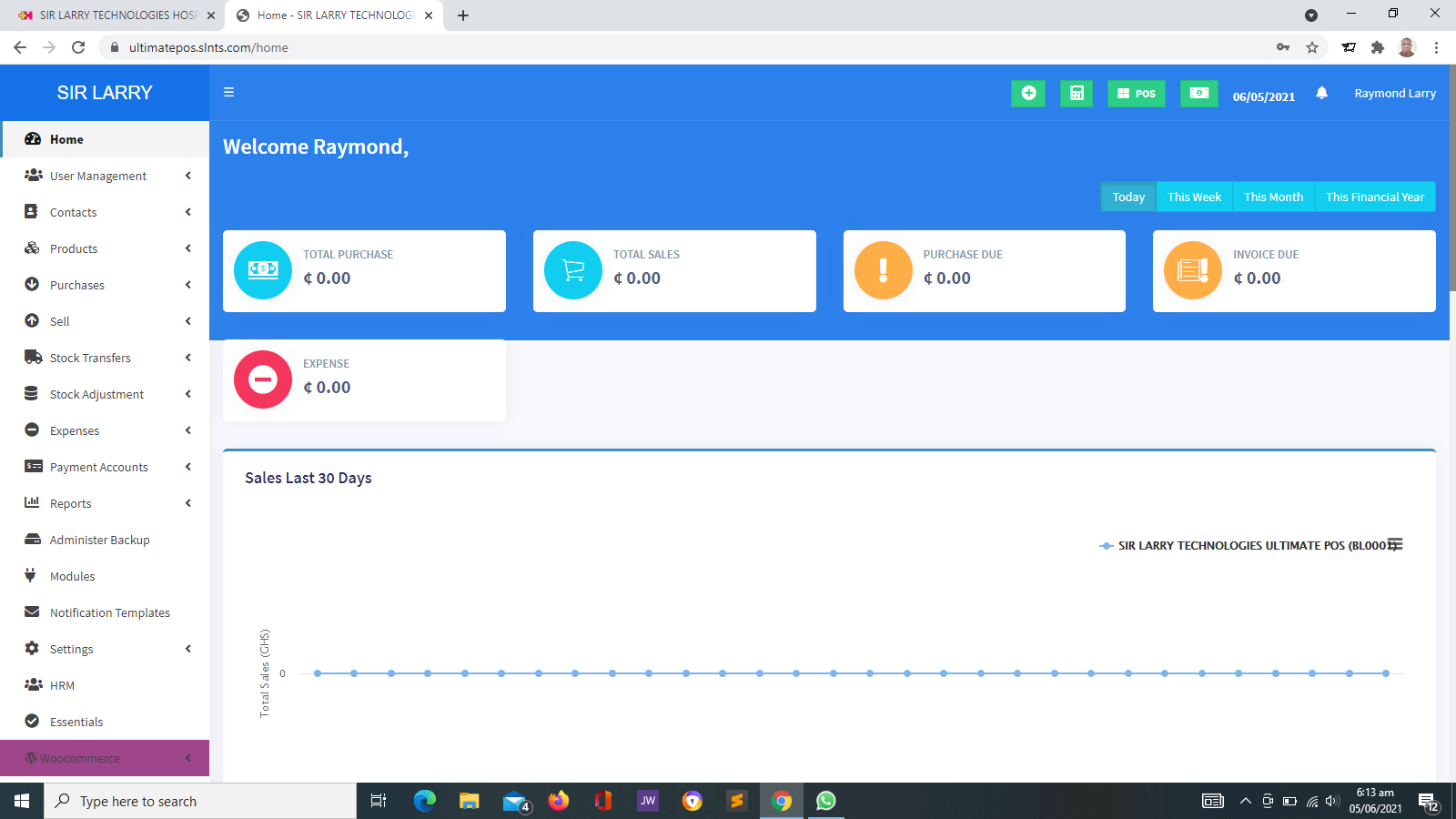
For example, a business that records sales manually may introduce a Point of Sale (POS) system. A school may adopt a school management system, while a nonprofit organization may implement software to manage beneficiaries, projects and reports.
The right approach depends on the organization's size, resources, operational needs and long-term objectives.
2. The Major Challenges of Digital Transformation
💰 1. High Initial Costs
Software development, devices, hosting, internet connectivity, training, data migration and ongoing support may require an investment that an organization has not fully planned for.
👥 2. Resistance to Change
Employees may prefer familiar manual processes or worry that new systems will make their work more difficult, expose mistakes or threaten their positions.
🎓 3. Limited Digital Skills
Staff may lack the knowledge required to use new applications, manage digital records, identify security risks or troubleshoot common problems.
🔗 4. Integration Difficulties
New software may not communicate easily with existing applications, payment services, accounting tools or other systems used by the organization.
📂 5. Poor Data Quality
Paper records and spreadsheets may contain missing information, duplicate entries, inconsistent formats or outdated details that complicate migration.
🔐 6. Cybersecurity and Privacy Risks
Moving information online creates a need for strong access controls, secure authentication, backups and responsible handling of personal and organizational data.
🌐 7. Internet and Infrastructure Limitations
Unreliable connectivity, power interruptions, unsuitable devices or limited technical infrastructure can disrupt the use of digital services.
📉 8. Unclear Objectives
Organizations may purchase technology without identifying the problem it should solve or deciding how success will be measured.
🧩 9. Choosing the Wrong System
A solution may be too complicated, too limited, difficult to maintain or unsuitable for the organization's actual workflows.
🛠️ 10. Ongoing Maintenance
Software requires updates, monitoring, technical support, backups and periodic reviews. Neglecting these responsibilities can reduce reliability over time.
3. How to Overcome Digital Transformation Challenges
Organizations can reduce the risks of digital transformation by following a structured, practical approach.
Identify the Problem Before Buying Technology
Start by identifying operational difficulties. These might include slow reporting, lost documents, stock discrepancies, delayed communication or difficulty tracking customer information. Select technology that addresses a clearly defined need.
Prepare a Realistic Budget
Consider initial development or setup costs alongside recurring expenses such as hosting, domain renewals, internet access, software subscriptions, SMS credits, payment processing fees, support and staff training. Ask for a clear quotation before committing.
Involve Staff Early
Consult the people who will use the system. Explain why the change is necessary, invite feedback and demonstrate how the technology will support their work. Assign responsible staff members to help guide the transition.
Provide Practical Training
Arrange demonstrations, guided practice and written instructions. Training should reflect each person's responsibilities. For example, an administrator may need to manage user accounts, while a sales assistant may only need to record transactions and check stock.
Start with a Manageable Project
Instead of changing every process at once, introduce one suitable system or department first. Test it, collect feedback, correct problems and expand when the organization is ready.
Clean and Organize Existing Records
Review paper records and spreadsheets before migration. Remove unnecessary duplicates, correct errors where possible, standardize formats and verify important information. Keep appropriate backups of original records before making major changes.
Prioritize Security and Data Protection
Use strong passwords, appropriate access permissions, secure connections, regular backups and a clear process for handling security incidents. Give users access only to information required for their responsibilities.
Check Compatibility Before Integrating Systems
Confirm whether the proposed system can work with existing applications and third-party services. Verify technical requirements, integration costs, transaction fees, subscription requirements and any limitations before implementation.
Arrange Technical Support and Maintenance
Agree on who will handle updates, backups, troubleshooting, user assistance and recovery when something goes wrong. Understand the scope, response arrangements and cost of ongoing support.
Measure Results and Improve Continuously
Compare performance before and after implementation. Review whether the system is reducing delays, improving accuracy, strengthening accountability or making services more convenient. Use the findings to guide improvements.
4. Managing the Cost of Digital Transformation
Limited budgets are a common concern, especially for small businesses, schools and nonprofit organizations. However, digital transformation does not always require replacing every process at once.
Practical Ways to Control Costs
- Prioritize essential needs: Start with the problem causing the greatest operational difficulty.
- Implement in phases: Introduce additional modules when they become necessary and affordable.
- Compare total ownership costs: Consider setup, subscriptions, infrastructure, support, training and future upgrades.
- Use existing resources where practical: Suitable devices and reliable existing infrastructure may reduce new expenditure.
- Request a detailed quotation: Clarify what is included, what costs extra and which third-party services require separate payments.
- Evaluate long-term value: Consider whether the investment can reduce errors, save time or improve service delivery.
The least expensive option is not always the best choice. A system that cannot support essential operations or receive appropriate maintenance may create additional costs later.
5. Overcoming Resistance to Change
Digital transformation often changes established routines. Even a technically capable system may fail to deliver its expected benefits if users do not understand it or are unwilling to adopt it.
Organizations can encourage acceptance by:
- Explaining the reasons for introducing the system.
- Showing how it addresses existing problems.
- Involving employees in requirements gathering and testing.
- Providing enough time for practice and adjustment.
- Offering support during the early stages of implementation.
- Recognizing feedback and addressing reasonable concerns.
- Establishing clear procedures for using the new system.
6. Addressing Data Security and Privacy
Digital systems may store customer details, employee information, financial records, school records, medical information or nonprofit beneficiary data. Poor security practices can expose this information to unauthorized access, loss or misuse.
Organizations should consider the following safeguards:
- Use individual accounts instead of sharing administrator credentials.
- Assign roles and permissions based on job responsibilities.
- Use strong passwords and multi-factor authentication where available.
- Maintain regular backups and test recovery procedures.
- Keep software and supported devices updated.
- Limit access to sensitive information.
- Establish procedures for reporting suspected security incidents.
- Review the organization's applicable data protection and legal obligations.
In Ghana, organizations handling personal data should also consider their obligations under the applicable data protection framework and seek qualified guidance where necessary.
7. Common Digital Transformation Mistakes to Avoid
❌ Buying Without Planning
Purchasing software before understanding workflows can result in an unsuitable solution and unnecessary expenditure.
❌ Ignoring User Training
Users may make errors or avoid the system if they have not received practical guidance.
❌ Migrating Unverified Data
Transferring inaccurate or duplicate records can reproduce existing problems in the new system.
❌ Overlooking Recurring Costs
Hosting, renewals, subscriptions, transaction fees and support can affect the long-term affordability of a solution.
❌ Neglecting Backups
A digital system is not a complete recordkeeping strategy if the organization cannot recover important data after loss or failure.
❌ Expecting Instant Results
Benefits may take time to emerge as users adapt, processes improve and the organization learns to use its data effectively.
8. Digital Transformation Challenges in Ghana
Organizations in Ghana may encounter challenges such as limited budgets, inconsistent internet connectivity, power interruptions, varying levels of digital literacy and difficulty finding suitable technical support.
Other practical considerations include mobile-first access, Mobile Money integration, local payment preferences, staff training and the recurring cost of online services.
To respond effectively, organizations can:
- Choose solutions appropriate to their available infrastructure.
- Evaluate whether important tasks can continue during temporary connectivity interruptions.
- Confirm that payment services support the required payment methods.
- Train staff to use the system confidently.
- Plan for domain, hosting, subscription and support renewals.
- Work with a service provider who clearly explains scope, costs and responsibilities.
These considerations apply differently to each organization. A solution should be selected after reviewing its specific operating environment and requirements.
9. How Different Organizations Can Address These Challenges
🏪 Retail Businesses
Start by improving sales recording and stock tracking with a suitable POS and inventory system. Train staff and reconcile digital records with existing stock before expanding the system.
🏫 Schools and Training Centres
Identify priority administrative or learning needs, prepare accurate records, train staff and introduce suitable education management tools in manageable stages.
🤝 NGOs and Foundations
Define how the organization will manage beneficiaries, projects, memberships, donations and reports. Establish appropriate permissions to protect sensitive records.
⛪ Churches and Ministries
Identify priority needs such as membership records, attendance, communication, events and contribution reporting. Ensure financial and personal records are accessible only to authorized users.
🏥 Healthcare Providers
Assess patient registration, appointment management, laboratory workflows and reporting needs. Give special attention to confidentiality, data integrity and controlled access.
🏢 Offices and Service Providers
Review how client information, invoices, tasks, communications and reports are managed. Select tools that improve coordination without introducing unnecessary complexity.
10. How to Know Whether Digital Transformation Is Working
Organizations should establish measurable indicators before implementation. The indicators should reflect the problems the new technology is intended to solve.
- Time saved: How long does a task take before and after implementation?
- Record accuracy: Have data-entry errors and duplicate records decreased?
- Reporting speed: Can management obtain required reports more efficiently?
- Service quality: Are customers, learners, members or beneficiaries receiving better service?
- System adoption: Are staff using the system correctly and consistently?
- Operational reliability: Are disruptions less frequent or easier to resolve?
- Financial performance: Are administrative costs, losses or avoidable errors being reduced where measurable?
- Security and recovery: Are access controls, backups and recovery procedures working as intended?
Not every benefit can be measured immediately. Review results at appropriate intervals and use the findings to improve processes.
11. The Role of Sir Larry Technologies
Sir Larry Technologies helps businesses and organizations explore digital solutions suited to their operational needs. Depending on the requirements agreed with each client, services may include:
- Website design and development.
- POS and inventory management systems.
- Business and organizational management software.
- School, NGO and church management solutions.
- Hospital and laboratory management system implementation.
- Payment gateway, Mobile Money, SMS and email integrations.
- Technical guidance, system deployment and support arrangements.
Every project should begin with a discussion of the client's requirements, available resources, existing processes and desired outcomes. The proposed scope, implementation costs, infrastructure requirements, third-party charges and ongoing support arrangements should be clarified before work begins.
12. Frequently Asked Questions
What is the biggest challenge in digital transformation?
There is no single challenge for every organization. Common difficulties include limited budgets, resistance to change, inadequate digital skills, poor data quality, integration problems and cybersecurity risks. The most significant challenge depends on the organization's circumstances.
Can a small business afford digital transformation?
Yes. A small business can begin with a focused solution that addresses an important need, then expand as its requirements and budget grow. It should consider recurring costs as well as the initial investment.
How can employees be encouraged to use new software?
Explain the purpose of the change, involve employees in planning, provide practical training and offer support during implementation. A system that fits their actual work is more likely to be adopted successfully.
Does digital transformation mean eliminating all paper records?
No. Some organizations may need to retain certain paper records for operational, legal or historical reasons. The appropriate approach is to improve how information is managed while following applicable retention and compliance requirements.
How long does digital transformation take?
The timeline depends on the scope, complexity, data migration requirements, integrations, training and available resources. A focused implementation may take much less time than transforming several departments or an entire organization.
Is buying software enough to complete digital transformation?
No. Successful transformation also requires appropriate processes, staff training, reliable data, security controls, maintenance and ongoing evaluation.
What should an organization do first?
Identify the most important operational problem, document current processes, define the expected outcome and budget, then evaluate suitable solutions before selecting a provider.
How can Sir Larry Technologies help?
Sir Larry Technologies can discuss your organization's requirements and assess suitable options for website development, management software, POS and inventory systems, or digital integrations. The recommended solution and scope will depend on your needs.
Ready to Overcome Your Digital Transformation Challenges?
The right technology, realistic planning and effective implementation can help your organization improve its operations and manage information more effectively.
Contact Sir Larry Technologies to discuss your website, software or digital service requirements.
Visit Sir Larry Technologies