









Why Businesses Should Adopt Digital Management Systems
Explore how digital management systems help businesses organize operations, improve record-keeping, strengthen customer service, monitor performance and prepare for sustainable growth.
Running a business efficiently requires more than hard work. Businesses also need reliable records, clear procedures, effective communication and timely information to make sound decisions. When these activities depend entirely on paper records, scattered spreadsheets or informal communication, mistakes and delays can become difficult to control.
Digital management systems provide structured ways to record information, organize workflows and monitor business activities. Adopting the right system can help a business improve its operations while giving management a clearer view of what is happening across the organization.
1. What Is a Digital Management System?
A digital management system is a software application or connected set of tools used to manage specific organizational activities electronically. It helps users record, process, retrieve and review information in a more organized way.
Depending on the organization's needs, a digital management system may manage sales, inventory, accounting, employees, customers, projects, appointments, membership records or other business processes.
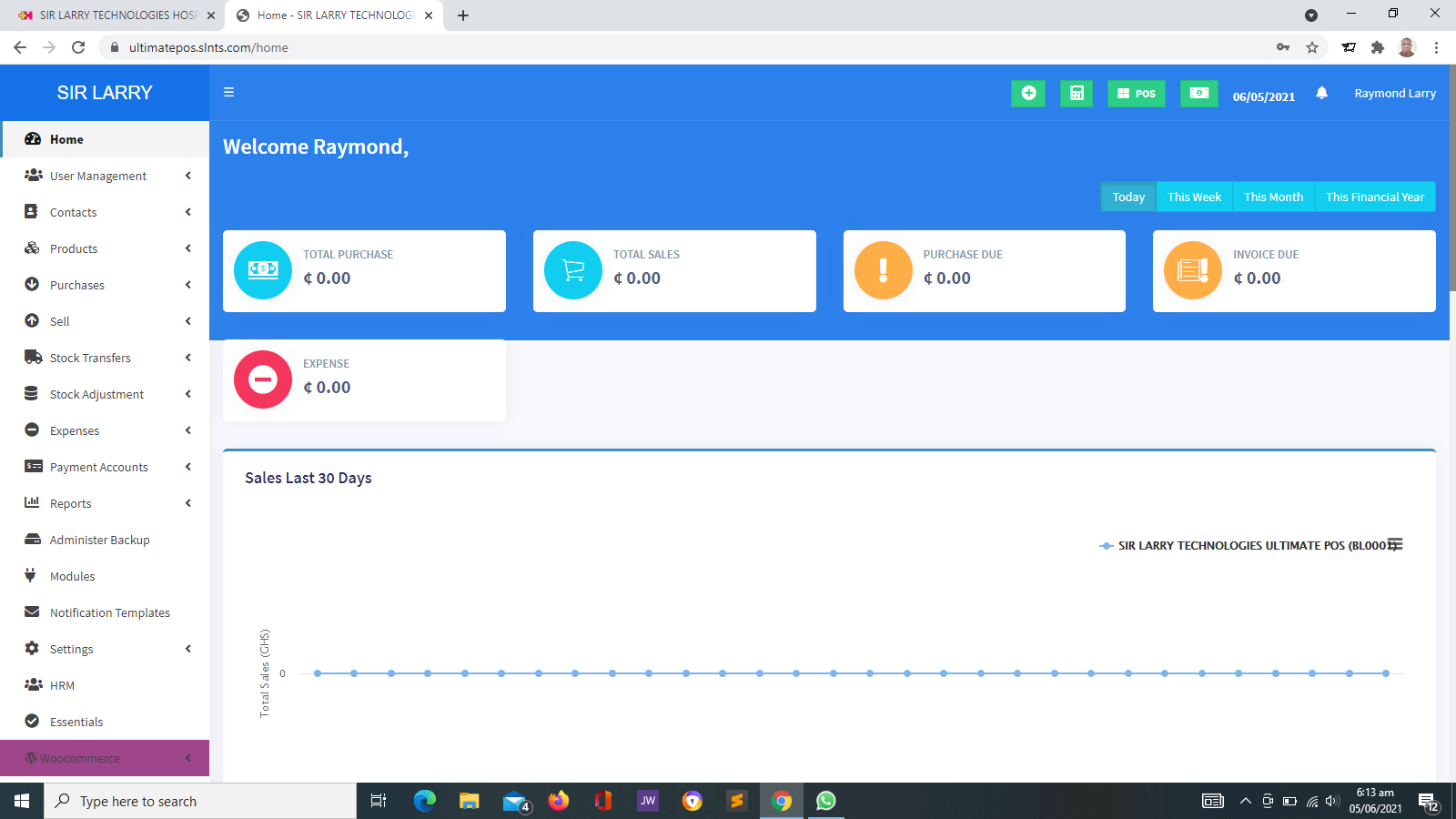
POS and Inventory Systems
Help businesses record sales, manage product information, monitor stock movement and review sales activity.
Accounts Management Systems
Help organize invoices, payments, expenses, income records, outstanding balances and financial reports.
Human Resource Systems
Help maintain employee records and manage processes such as attendance, leave requests, recruitment and training.
Customer Management Systems
Help businesses organize customer details, enquiries, follow-ups, sales opportunities and service interactions.
Project Management Systems
Help teams assign tasks, track deadlines, monitor progress and coordinate responsibilities.
Organization-Specific Systems
Schools, NGOs, churches, healthcare facilities and other organizations may use systems designed around their particular workflows.
2. Reasons Businesses Should Adopt Digital Management Systems
Improved Operational Efficiency
Digital systems can simplify repetitive activities, standardize routine procedures and reduce the time employees spend searching through paper files or separate records.
Better Record-Keeping
Information can be stored in organized records that authorized users can retrieve when needed. Searchable records may be easier to review than large collections of paper documents.
Fewer Avoidable Errors
Validation rules, standardized forms and automated calculations can reduce some common mistakes. Staff must still enter accurate information and review important transactions.
Better Decision-Making
Reports and summaries can help managers review sales, expenses, stock levels, workloads and other indicators when making operational decisions.
Improved Customer Service
Organized customer records and follow-up processes can help businesses respond to enquiries, track requests and maintain more consistent communication.
More Controlled Access
Systems with suitable permission settings can limit access to sensitive information according to staff responsibilities.
Support for Business Growth
Structured processes and consistent records can make it easier to manage increasing transactions, customers or employees as the business expands.
Greater Accountability
Where supported, user activity logs, transaction histories and approval workflows can help managers review actions and investigate discrepancies.
3. Digital Systems Reduce Dependence on Manual Processes
Many businesses begin with notebooks, paper forms, calculators and spreadsheets. These methods may be suitable for some simple activities, but they can become difficult to manage as transaction volumes and organizational complexity increase.
Manual processes may create challenges such as:
- Difficulty locating older records quickly.
- Repeated entry of the same information in different places.
- Errors when calculating totals or transferring figures.
- Delays in preparing management reports.
- Difficulty identifying who changed or approved a record.
- Risk of documents being lost, damaged or accessed by unauthorized people.
- Limited visibility when key information is kept by only one employee.
4. Better Financial Control and Business Visibility
Financial information is essential for managing a business. Owners need to understand what the business earns, what it spends, what customers owe and what payments remain outstanding.
Digital financial tools can help businesses:
- Record income and expenses systematically.
- Prepare and track invoices.
- Record payments received and expenses paid.
- Review outstanding customer balances and supplier obligations.
- Prepare financial summaries and reports.
- Monitor cash flow using available records.
- Keep supporting documents organized for review.
These tools can improve financial visibility, but they do not automatically guarantee accurate accounts or legal compliance. Proper configuration, reconciliation, supporting documentation and qualified professional advice may still be necessary.
5. Improved Customer and Client Management
Customer relationships are important to the long-term success of many businesses. When contact details, enquiries and follow-up activities are scattered across notebooks, personal phones and separate files, important opportunities can be missed.
A customer management system can help an organization:
- Maintain customer and company contact records.
- Record enquiries and communication history.
- Track sales leads and opportunities.
- Schedule reminders and follow-up tasks.
- Organize customer requests and complaints.
- Review sales activity and customer service performance.
For example, a service company could record a prospective customer's enquiry, assign it to a staff member and schedule a follow-up. This creates a more organized process than relying entirely on memory.
6. Improved Staff Coordination and Accountability
As a business grows, it becomes increasingly important to clarify responsibilities and coordinate activities across employees and departments.
Depending on the system, digital workflows can help managers:
- Assign tasks to specific employees.
- Monitor deadlines and completion status.
- Manage leave requests or other staff submissions.
- Organize approvals for selected transactions.
- Share relevant documents and updates.
- Review activity records when investigating an issue.
These features can support accountability, but they should be implemented fairly and transparently. Employees also need suitable training, clear expectations and access to the information required for their work.
7. Faster Reporting and Informed Decisions
Management decisions are stronger when they are supported by reliable information. A digital system may help produce reports that would otherwise require employees to collect figures from several records and calculate totals manually.
Useful reports may include:
- Daily, weekly or monthly sales summaries.
- Inventory movement and stock-level reports.
- Income, expense and outstanding-payment summaries.
- Employee attendance or leave reports.
- Customer enquiries and sales pipeline reports.
- Project task and progress reports.
The reports available depend on the software and its configuration. Managers should also check that information is complete, up to date and relevant before using it to make decisions.
8. Stronger Security and Data Protection
Paper records can be lost, damaged or accessed without authorization. Digital records introduce their own risks, including weak passwords, phishing, misconfigured permissions, device failure and cyberattacks.
A well-managed digital system can support better protection through features and practices such as:
- Individual user accounts and strong authentication.
- Role-based permissions for accessing and changing records.
- Activity logs where supported.
- Regular backups and tested recovery procedures.
- Secure connections and updated software.
- Defined procedures for handling sensitive information.
- Prompt removal of access when employees no longer need it.
9. Digital Management Systems Can Improve Customer Experience
Customers often value accurate information, timely responses and reliable service. Digital management systems can help businesses coordinate these activities more consistently.
Depending on the solution, businesses may be able to:
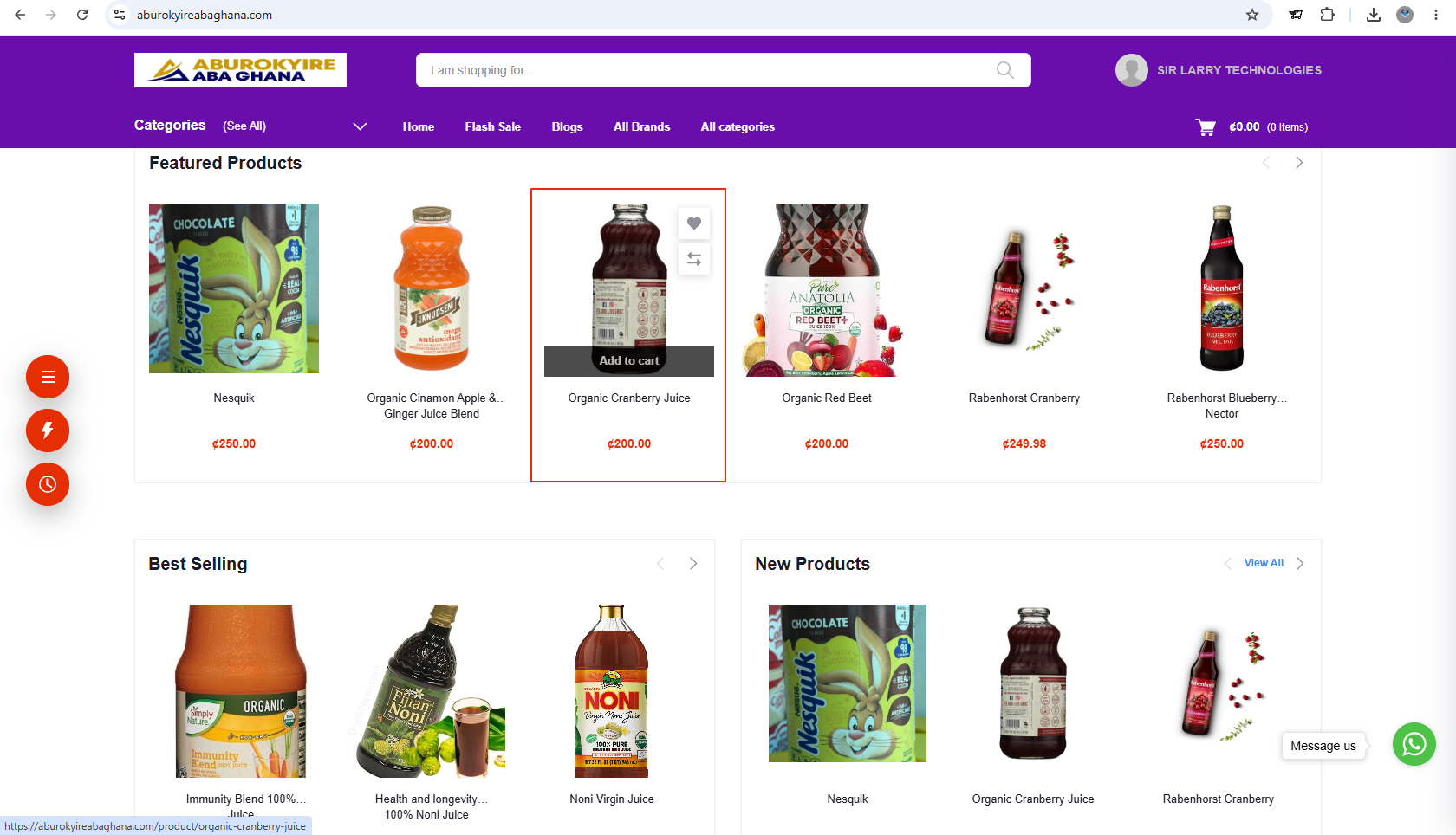
- Provide a website with service information and contact details.
- Organize appointments and booking requests.
- Record and track customer complaints.
- Send configured email or SMS notifications.
- Support digital payment options through compatible payment providers.
- Keep relevant records of customer interactions.
Online payments, SMS messaging and email notifications may require third-party accounts, approved integrations, service subscriptions or transaction credits. Businesses should understand these dependencies and costs before implementation.
10. Digital Systems Help Businesses Prepare for Growth
A business may be able to manage a small number of customers or transactions using simple methods. As activity increases, the same methods may become harder to maintain.
Digital management systems can help businesses prepare for growth by providing:
- More consistent ways to record transactions and activities.
- Standardized procedures that staff can follow.
- Better access to operational information.
- Defined roles and permissions.
- Reports that support planning and resource allocation.
- Potential integrations between compatible business applications.
Not every business needs a large, integrated platform. A small business may benefit most from one focused system, while a larger organization may require several connected applications or an enterprise resource planning solution.
11. The Cost of Adopting Digital Management Systems
Cost is an important consideration when choosing a digital management system. Businesses should evaluate the total cost of ownership rather than looking only at the initial purchase price.
Potential costs include:
- Software purchase, licensing or subscription fees.
- System setup, configuration or development.
- Computers, printers, scanners or other devices.
- Website hosting, domains or server infrastructure.
- Staff training and data migration.
- Maintenance, technical support and updates.
- SMS credits, payment processing fees or other third-party charges.
- Backup services and additional security measures.
The expected benefits should be compared with these costs. A suitable system may save time or reduce certain errors, but businesses should assess those benefits against their own circumstances instead of assuming that every digital investment will produce the same results.
12. How to Adopt a Digital Management System Successfully
Successful adoption requires planning, staff involvement and ongoing review. The following steps can help a business make a more informed transition.
- Identify the current challenges.
Determine which activities cause delays, errors, unnecessary costs or difficulty accessing information. - Define the desired outcomes.
Decide what the system should improve, such as record accuracy, reporting speed, stock visibility or customer follow-up. - List the required features.
Separate essential functions from optional features and identify any integration requirements. - Set a realistic budget.
Include setup, devices, training, hosting, subscriptions, support and other recurring expenses. - Evaluate suitable solutions.
Compare functionality, usability, security, scalability, support and data-export options. - Prepare business records.
Review existing data, remove avoidable duplication and establish a plan for transferring information safely. - Test the system.
Where possible, test important workflows using representative records before relying on the system for daily operations. - Train employees.
Explain the correct procedures, permissions and responsibilities associated with the new system. - Launch and monitor.
Introduce the system with suitable support and monitor issues during the transition. - Review performance.
Measure results against the original objectives and make improvements when necessary.
13. Common Mistakes to Avoid
❌ Buying Unnecessary Features
A system with many features may still be unsuitable if it does not solve the organization's actual problems.
❌ Ignoring Staff Training
Without practical training, employees may use the system incorrectly or continue relying on unofficial manual processes.
❌ Overlooking Ongoing Costs
Subscriptions, support, hosting, maintenance and third-party services can affect affordability over time.
❌ Neglecting Backups
Businesses should establish suitable backup schedules and test whether their records can be recovered.
❌ Migrating Inaccurate Data
Transferring duplicate or incomplete records can create problems in the new system. Data should be reviewed before migration.
❌ Failing to Review Results
Businesses should measure whether the system is meeting its objectives instead of assuming that implementation alone guarantees improvement.
14. How to Measure the Benefits
After implementation, businesses should track whether the system is delivering practical improvements. Possible measures include:
- Time required for routine tasks: Compare how long common activities take before and after adoption.
- Record accuracy: Monitor missing information, duplicate entries and transaction discrepancies.
- Reporting time: Assess whether managers can obtain key reports more efficiently.
- Customer response time: Review how quickly enquiries and service requests are handled.
- Inventory accuracy: Compare system stock records with physical counts.
- System usage: Check whether employees are following the agreed digital procedures.
- Total operating cost: Compare ongoing system expenses with the value and benefits received.
Establishing a baseline before implementation makes these comparisons more meaningful.
15. Frequently Asked Questions
Why should businesses adopt digital management systems?
They can help businesses organize records, streamline workflows, improve reporting, support customer service and monitor operational performance.
Are digital management systems only for large companies?
No. Small businesses can also benefit from suitable systems. The appropriate solution depends on their needs, transaction volume, available resources and budget.
Can a digital management system eliminate all business errors?
No. Software can reduce some errors through validation and automation, but inaccurate data, incorrect settings, user mistakes and technical problems can still occur.
Does a business need to digitize every process at once?
No. Many businesses benefit from starting with one important area, evaluating the results and expanding gradually as their needs and resources permit.
Are digital management systems expensive?
Costs vary by functionality, provider, implementation requirements and ongoing services. Businesses should compare the total cost of ownership and the expected benefits before making a decision.
What should businesses consider when choosing a system?
Consider essential features, usability, security, data ownership, reporting, integration, support, scalability, training and recurring costs.
Can digital management systems work without the internet?
Some systems offer offline functions, while others require an internet connection for most activities. Businesses should confirm offline capabilities, synchronization procedures and infrastructure requirements before choosing a solution.
Conclusion
Digital management systems can help businesses move from scattered records and manual processes toward more organized, measurable and efficient operations. They can support financial control, customer management, staff coordination, reporting, information security and business growth.
The best results come from selecting technology that addresses real business needs, preparing accurate data, training employees and maintaining suitable security and backup procedures. Businesses should also review performance regularly to confirm that the system continues to deliver value.
Digital transformation does not require every organization to adopt the most complex software available. It begins with understanding the business, identifying the right problem to solve and choosing a practical solution that supports the organization's objectives.
Ready to Improve Your Business Operations?
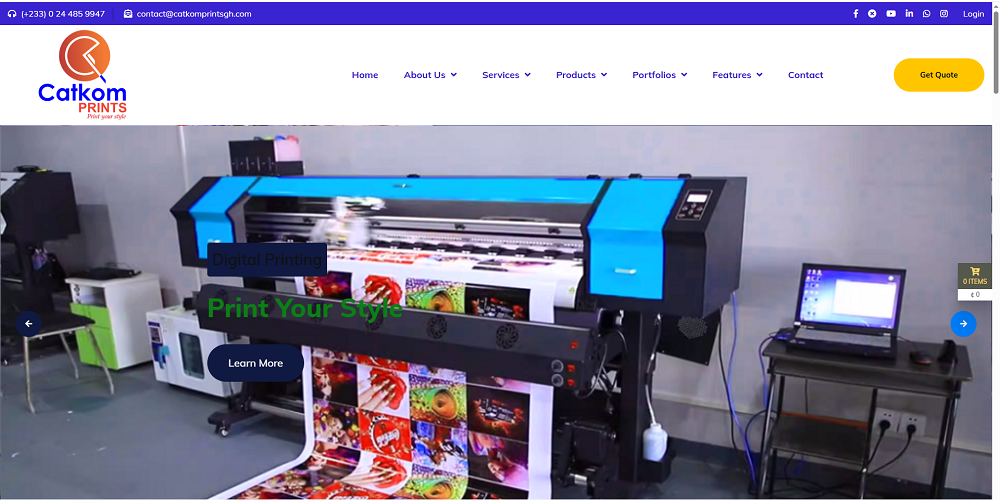
Sir Larry Technologies helps businesses and organizations explore digital solutions, including websites, POS and inventory systems, and business management software. The recommended solution and scope depend on your operational requirements.
Visit Sir Larry Technologies