








How Digital Technology Is Transforming Organizations
Discover how digital tools are changing organizational operations, communication, service delivery, decision-making and the way businesses and institutions prepare for the future.
Digital technology is changing how organizations work, communicate, serve people and achieve their objectives. Businesses, schools, churches, healthcare facilities, NGOs and public institutions increasingly use digital tools to organize information, coordinate activities and improve service delivery.
However, transformation involves more than purchasing computers or creating a website. It requires organizations to review their processes, equip their people, manage information responsibly and use technology to solve real problems.
1. What Is Digital Technology?
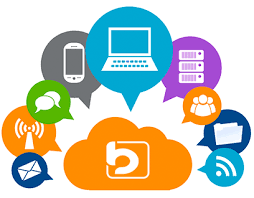
Digital technology refers to electronic tools and systems that create, process, store, transmit or analyze information in digital form. These technologies include computers, smartphones, software applications, websites, cloud services, digital payment platforms, communication tools and artificial intelligence.
Organizations use digital technology to carry out activities that were previously manual, improve existing processes and introduce services that would be difficult to deliver through traditional methods alone.
💻 Computer Systems and Software
Applications help organizations manage records, employees, customers, finances, inventory, projects and administrative activities.
🌐 Websites and Online Platforms
Websites and portals help organizations publish information, receive enquiries and offer selected services online.
📱 Mobile Technology
Smartphones and tablets support communication, information access, mobile payments and field operations.
☁️ Cloud and Connected Services
Cloud platforms and integrations can support access to applications, data storage and connections between compatible systems.
2. What Is Digital Transformation?
Digital transformation is the process of using digital technology to improve or fundamentally change how an organization operates, delivers services and creates value.
It may involve replacing paper-based procedures, connecting separate software applications, redesigning workflows, improving customer access or using data to make better-informed decisions.
Digitalization versus digital transformation: Digitization generally means converting information from physical or analogue formats into digital form. Digitalization involves using digital tools to improve existing processes. Digital transformation is broader: it can change organizational workflows, services, responsibilities and business models.
3. From Manual Processes to Digital Operations
One of the clearest ways to understand digital transformation is to compare traditional work methods with technology-supported alternatives.
| Organizational Activity | Traditional Approach | Digital Approach |
|---|---|---|
| Recordkeeping | Paper files, registers and handwritten records. | Electronic databases and management applications. |
| Communication | Physical notices, letters and in-person updates. | Email, messaging platforms, video meetings and notifications. |
| Sales and payments | Manual transaction records and cash-based processes. | POS systems and supported digital payment integrations. |
| Reporting | Manual calculations and reports compiled from different documents. | System-generated reports based on recorded information. |
| Customer service | In-person enquiries, phone calls and physical forms. | Online forms, email, customer portals and supported messaging tools. |
| Task coordination | Paper schedules, meetings and verbal instructions. | Digital task lists, calendars and project management tools. |
Digital methods do not automatically make every process better. Their value depends on how well they fit the organization's needs, how reliably they are implemented and whether staff follow the new procedures correctly.
4. Transforming Business Operations
Digital technology can help businesses organize daily activities, reduce repetitive work and improve access to operational information.
📦 Sales and Inventory
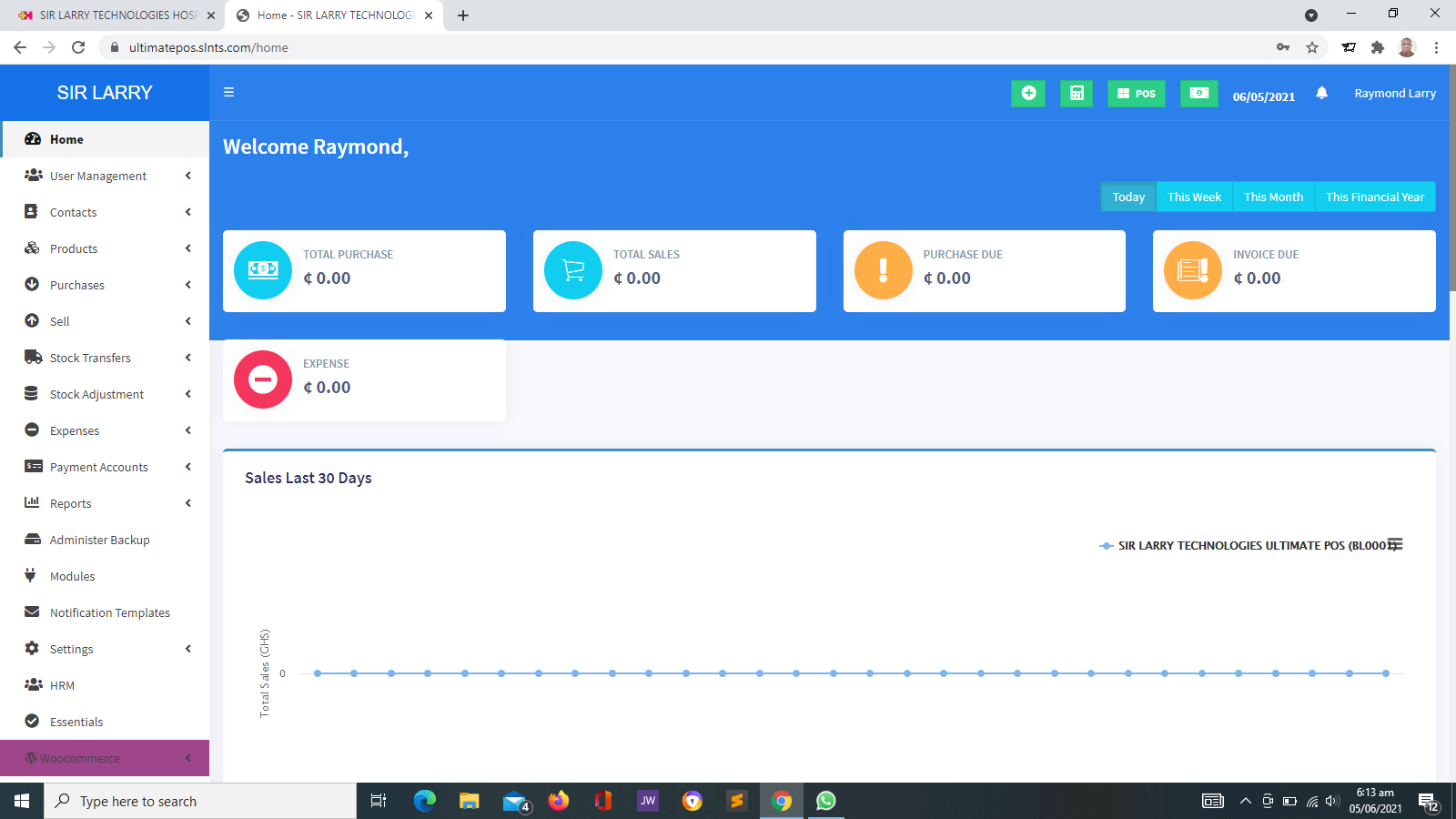
POS and inventory systems can record sales, track stock movements and help businesses review product performance. The exact functions depend on the system.
💰 Financial Administration
Accounting systems can organize invoices, payments, expenses and financial reports, helping authorized staff review recorded transactions.
👥 Employee Management
HR systems can organize employee records, leave requests, attendance information and other supported personnel processes.
🤝 Customer Relationships
CRM systems can organize enquiries, contact details, sales opportunities, customer interactions and follow-up activities.
📋 Project Coordination
Project management tools can help teams assign tasks, set deadlines, monitor progress and share relevant project information.
📊 Management Reporting
Digital reports can help managers examine performance indicators and identify areas that may require attention.
5. Improving Communication and Collaboration
Communication is essential to organizational performance. Digital communication tools can help employees, managers, customers, partners and other stakeholders exchange information more efficiently.
- Email: Supports formal communication, document sharing and organizational correspondence.
- Messaging platforms: Allow teams to exchange quick updates and coordinate routine activities.
- Video conferencing: Enables meetings between participants in different locations.
- Shared workspaces: Help authorized team members collaborate on documents, projects and tasks.
- Digital notifications: Can remind users about appointments, deadlines, approvals or other events supported by the system.
- Knowledgebases: Make instructions, frequently asked questions and organizational guidance easier to access.
These tools can reduce delays and make information easier to share. Organizations should still establish clear communication rules, protect confidential information and choose suitable channels for different types of messages.
6. Transforming Customer and Public Service Delivery
Digital technology allows organizations to offer some services through websites, applications and online portals. Customers and service users may be able to obtain information or complete selected tasks without visiting an office in person.
🌐 Online Information
Organizations can publish service descriptions, requirements, operating information, announcements and contact details through their websites.
📝 Digital Forms
Online forms can collect applications, enquiries, registrations or feedback, depending on the organization's needs.
📅 Appointments and Bookings
Suitable booking systems can help users request appointments or reservations and allow staff to organize schedules.
💳 Online Payments
Payment integrations may enable supported transactions through mobile money, cards or other available payment methods.
Digital services should be designed around the needs of the people using them. Organizations must also consider users who have limited internet access, lower digital literacy, disabilities or a preference for assisted or in-person service.
7. The Role of Data in Better Decision-Making
Organizations generate information through sales, service delivery, customer interactions, financial transactions, staff activities and projects. Digital systems can organize this information and make it easier to review.
When data is accurate, relevant and appropriately analyzed, it can help managers identify trends, monitor performance and make more informed decisions.
- Performance monitoring: Review indicators such as sales, attendance, service requests or project progress.
- Trend identification: Examine changes over time and investigate unusual patterns.
- Resource planning: Use available information to support decisions about staffing, stock and budgets.
- Problem detection: Identify missing records, recurring delays or operational exceptions that need attention.
- Accountability: Maintain appropriate records of transactions, approvals and activities.
Remember: A report is only as reliable as the information and methods used to produce it. Poor data quality, incomplete records or incorrect assumptions can lead to misleading conclusions. Important decisions should be reviewed using appropriate professional judgment.
8. Digital Transformation in Schools and Education
Schools and educational institutions can use digital technology to support administration, teaching, assessment and communication with parents and learners.
- School management systems can organize student records, attendance and academic information.
- Learning Management Systems can distribute learning materials, organize activities and support assessments.
- Digital assessment tools can help teachers record and analyze learner performance.
- Communication tools can help schools share announcements and relevant updates with parents and guardians.
- Online resources can supplement classroom instruction and support independent learning.
- Digital administration can reduce repeated paperwork when systems are properly implemented.
Technology should support sound educational practice rather than replace the role of teachers. Schools also need to consider device availability, internet access, safeguarding, student privacy and teacher training.
9. Digital Transformation in NGOs and Nonprofit Organizations
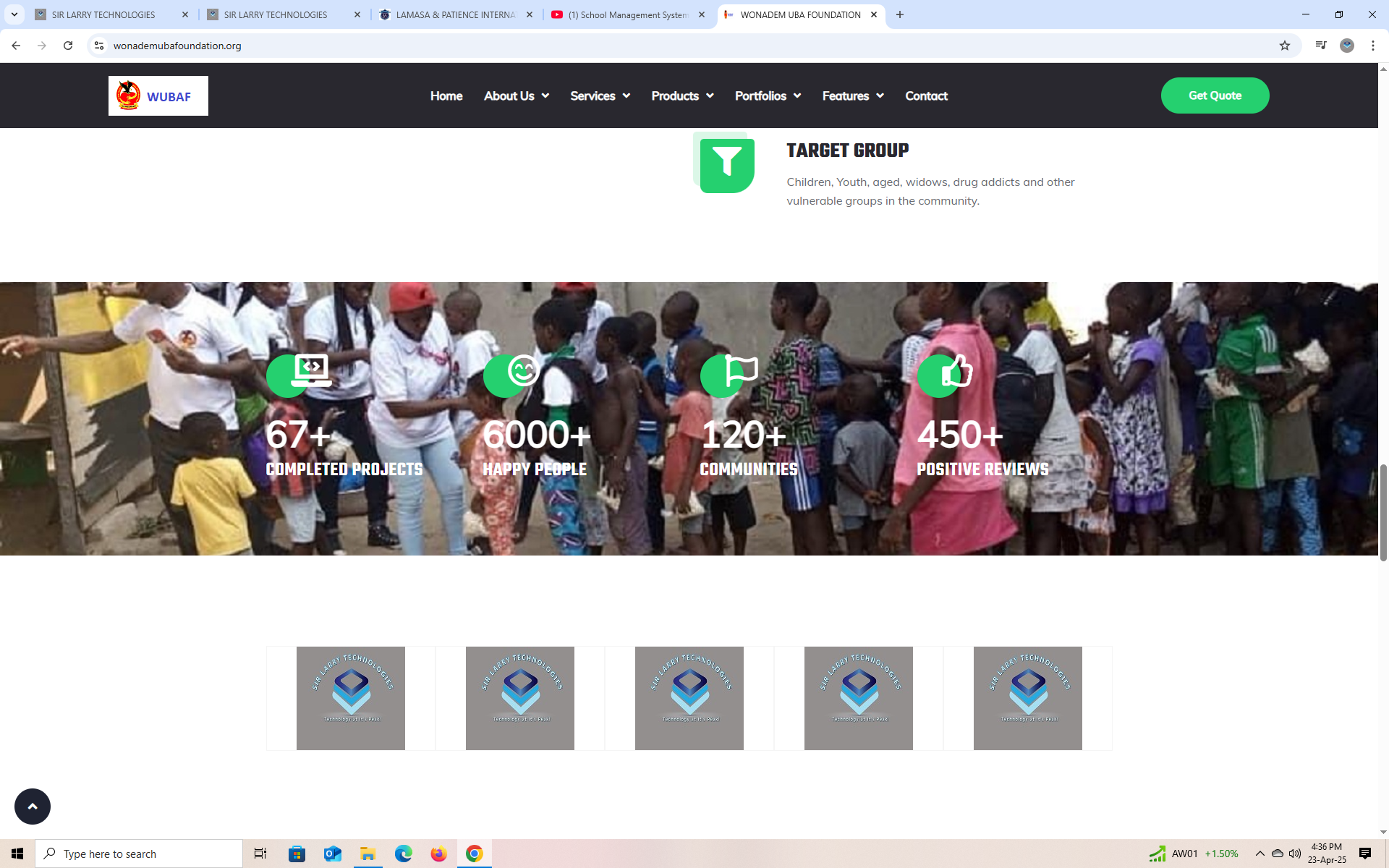
Non-governmental organizations, foundations and other nonprofits often coordinate programmes, projects, beneficiaries, volunteers, partners and reports. Appropriate digital systems can help them organize this work.
🎯 Programme and Project Tracking
Project tools can help teams organize activities, assign responsibilities, monitor deadlines and document progress.
🧑🤝🧑 Beneficiary and Membership Records
Suitable systems can help authorized staff maintain records and monitor relevant engagement or service activities.
📑 Reporting and Documentation
Digital records can support the preparation of programme summaries, activity reports and internal documentation.
📢 Outreach and Communication
Websites, email and other digital channels can help organizations communicate their work and share verified updates.
Digital systems can strengthen recordkeeping and coordination, but they do not guarantee funding, programme impact or regulatory compliance. Nonprofits must maintain reliable evidence, appropriate financial controls and responsible data practices.
10. Digital Transformation in Churches and Community Organizations
Churches and community organizations can use digital tools to improve administration, organize activities and communicate with their members.
- Membership records and group administration.
- Attendance recording for meetings, classes or activities.
- Event schedules and activity announcements.
- Financial records for contributions and other transactions, where supported.
- Email or SMS communication through properly configured services.
- Online donations through compatible and secure payment integrations.
- Reports that help authorized leaders review organizational activities.
The appropriate features depend on the organization's needs and the selected software. Sensitive member information and financial records should only be accessible to authorized users.
11. Digital Transformation in Healthcare
Healthcare facilities can use digital systems to organize administrative and clinical workflows. Depending on their design and intended use, these systems may support patient registration, appointments, laboratory workflows, reporting and communication.
- Electronic patient records and registration.
- Appointment scheduling and front-office administration.
- Laboratory test processing and results management.
- Reporting workflows and authorized access to medical information.
- Digital communication for appropriate appointment reminders or service updates.
- Management reports for operational monitoring.
Healthcare systems require particular care. Patient information is sensitive. Organizations should use appropriate access controls, backups, secure transmission, staff training and applicable privacy safeguards. Software should support qualified healthcare professionals, not replace their clinical judgment.
12. Mobile Money, Digital Payments and Financial Services
Digital payments have changed how many organizations receive and process money. Depending on available providers and integrations, businesses may accept supported mobile money payments, card payments or other electronic payment methods.
When a payment service is connected to a website or management system, the organization may be able to link a transaction to an order, booking, invoice or other record. The exact process depends on the integration.
- Offer customers supported electronic payment options.
- Reduce the need to handle every payment entirely through cash.
- Associate transactions with relevant business records when supported.
- Improve the availability of transaction references and reconciliation information.
- Support online donations, service payments or bookings where appropriate.
Businesses should confirm transaction status through reliable records, protect payment credentials and understand gateway charges, settlement times, refund procedures and reconciliation requirements. A customer notification alone should not always be treated as conclusive proof of settlement.
13. Artificial Intelligence and Automation
Artificial Intelligence (AI) and automation are creating additional opportunities for organizations to improve selected tasks. Automation follows defined rules to perform actions, while AI tools can perform tasks such as generating text, classifying information, summarizing content or identifying patterns.
🤖 Routine Task Automation
Systems can trigger reminders, route requests or initiate workflows when specified conditions are met.
💬 AI-Assisted Support
AI tools may help answer routine questions, summarize enquiries or direct users to relevant information.
📈 Data Analysis
Analytical tools may help identify trends, unusual patterns or potential areas for investigation.
📝 Content and Document Assistance
AI can help prepare drafts, summarize documents or organize information, subject to review and verification.
Organizations should assess the accuracy, suitability and cost of AI tools before adopting them. Confidential information should not be entered into external AI services without appropriate authorization and safeguards.
14. Cybersecurity, Privacy and Data Protection
As organizations become more dependent on digital systems, protecting their information becomes increasingly important. Digital transformation should include security planning from the beginning rather than treating it as an afterthought.
- Access control: Give users only the permissions they need to perform their duties.
- Password security: Use strong, unique passwords and multi-factor authentication where available.
- Backups: Maintain suitable backups and periodically test whether data can be restored.
- Software maintenance: Keep supported systems and components updated as appropriate.
- Staff awareness: Train users to recognize phishing, suspicious attachments and social engineering.
- Data minimization: Collect and retain only information that is needed for legitimate purposes.
- Incident response: Establish procedures for reporting and addressing suspected data loss or unauthorized access.
Organizations operating in Ghana should consider applicable data protection obligations, including relevant requirements under the country's data protection framework. Requirements depend on the organization, the information it processes and its activities.
15. Challenges Organizations May Face
Although digital technology offers many opportunities, implementation can create challenges that must be managed carefully.
💵 Implementation Costs
Software, devices, connectivity, hosting, training and support may require a significant investment.
📶 Connectivity and Infrastructure
Unreliable internet, limited electricity or unsuitable devices can affect access to digital services.
🧑🏫 Skills and Training
Employees may need training to use systems correctly and confidently.
🔄 Resistance to Change
Staff may be reluctant to adopt unfamiliar processes unless the purpose and benefits are clearly explained.
🔐 Security Risks
Weak controls or poor data handling can expose organizational information to loss or misuse.
🔗 Integration Difficulties
Existing applications may not exchange information easily, and connecting them can require additional work.
These challenges can be reduced through careful planning, realistic budgeting, user involvement, appropriate training and a clear approach to security and ongoing maintenance.
16. How to Implement Digital Transformation Successfully
Organizations do not need to digitize everything at once. A phased approach can help them address their most important needs first and learn from implementation experience.
- Assess the current situation Identify manual tasks, operational delays, information gaps and processes that need improvement.
- Set clear objectives Define what the organization wants to achieve, such as faster reporting, more accurate records or improved customer access.
- Prioritize the most important needs Select problems that can be addressed within the available budget, skills and infrastructure.
- Choose appropriate technology Compare available systems based on functionality, usability, security, cost, compatibility and support.
- Prepare data and processes Clean existing records, define responsibilities and agree on how work will be completed in the new system.
- Train and involve users Explain the purpose of the change, demonstrate key tasks and provide practical opportunities for staff to learn.
- Test before full deployment Check essential workflows, user permissions, reports, integrations, backups and recovery arrangements.
- Monitor results and improve Review performance, gather feedback, correct problems and expand the solution when justified.
17. How to Measure the Success of Digital Transformation
Buying or installing software does not by itself prove that an organization has transformed successfully. The organization should measure whether the technology is helping it achieve its objectives.
| Area | Possible Measure | What It Can Show |
|---|---|---|
| Efficiency | Time required to complete a selected task. | Whether a process has become faster. |
| Record accuracy | Number of errors, duplicates or incomplete records. | Whether information quality is improving. |
| Service delivery | Response time or time needed to complete a request. | Whether customers or service users are receiving more timely assistance. |
| Adoption | Usage of relevant features by intended users. | Whether the system is being used as expected. |
| Financial control | Time required for reconciliation or reporting. | Whether financial processes are becoming easier to manage. |
| Reliability | System availability, recovery performance and unresolved incidents. | Whether the system is dependable enough for its purpose. |
Measurements should be selected according to the organization's objectives. Establish a baseline before implementation wherever possible, then compare results over time rather than assuming that every change is caused by the technology alone.
18. The Role of Sir Larry Technologies in Digital Transformation
Sir Larry Technologies helps businesses and organizations explore digital solutions for their operational and administrative needs. Depending on the project requirements, services may include website development, POS and inventory systems, management software and selected digital integrations.
🌐 Website Development
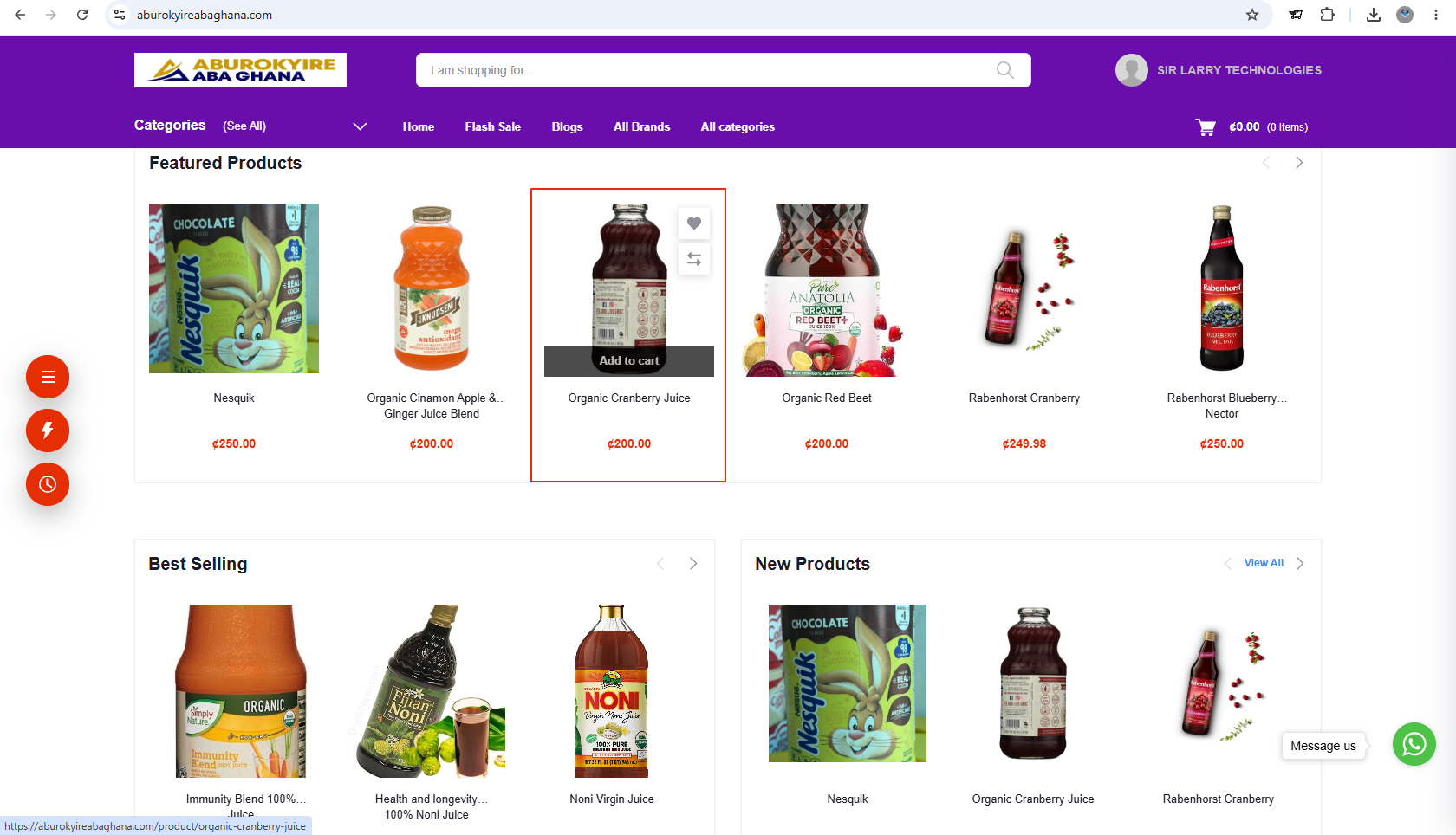
Professional websites can help organizations establish an online presence, publish information and provide selected digital services.
🛒 POS and Inventory Solutions
Suitable systems can support sales recording, stock monitoring and related business operations.
🏢 Management Systems
Software solutions can help organizations organize records and workflows suited to their particular requirements.
🔌 Digital Integrations
Supported integrations can connect applications with payment, email or SMS services when included in the agreed scope.
Sir Larry Technologies' POS system is used by more than 10 businesses, including pharmacies, over-the-counter medicine sellers and supermarkets. Other management system projects may serve different organizational needs, depending on the software, configuration and agreed scope.
Successful digital transformation begins with understanding the client's real challenges. The appropriate solution should be practical, affordable to maintain, secure enough for its intended use and supported by clear implementation and user-training arrangements.
19. Frequently Asked Questions
What does digital technology mean for an organization?
It means using electronic tools, software, networks and digital services to manage information, communicate, deliver services and carry out organizational activities.
What is the difference between digitalization and digital transformation?
Digitalization generally uses technology to improve existing processes. Digital transformation is broader and may involve changing workflows, services, organizational practices and how value is delivered.
Can small businesses benefit from digital transformation?
Yes. A small business may start with a website, POS system, accounting application or customer database, depending on its most pressing needs and available resources.
Does digital transformation require expensive software?
Not necessarily. Costs vary widely. Organizations should compare suitable options, consider recurring expenses and prioritize the functions that provide clear practical value.
Will technology replace employees?
Technology can automate selected tasks and change how work is performed, but people remain important for judgment, communication, relationship-building, oversight and many other responsibilities. The effect on roles depends on the organization and the technology adopted.
How long does digital transformation take?
There is no single timeline. A focused website or software deployment may take much less time than a broader transformation involving several departments, data migration, integrations and staff training.
Is a website enough to transform an organization digitally?
A website can be an important starting point, but broader transformation may require management software, improved internal workflows, staff training, data practices and integration with other systems.
What should an organization do first?
Start by identifying the problem to solve, defining the desired outcome and assessing the available resources. Then select a suitable solution, test it, train users and measure results.
How can Sir Larry Technologies help?
Sir Larry Technologies can discuss website development, POS and inventory solutions, business management software and selected digital integrations based on an organization's requirements.
Take the Next Step Towards Digital Transformation
Digital technology can help organizations improve how they operate, communicate and deliver services. The first step is identifying the challenges that matter most and choosing a practical solution.
Contact Sir Larry Technologies to discuss technology solutions for your business or organization.
Visit Sir Larry Technologies