







The Role of Technology in Modern Business Management
Discover how digital tools, business software, automation and information systems help organizations manage operations, improve productivity, serve customers and make informed decisions.
Technology has become an important part of modern business management. Organizations of different sizes use digital tools to organize daily activities, communicate with customers, manage finances, store records and monitor performance. When selected and implemented properly, technology can reduce repetitive work, improve access to information and help businesses respond to changing needs.
However, technology alone does not guarantee success. Businesses also need clear objectives, competent staff, suitable processes, reliable information and appropriate security measures.
1. What Is Technology in Business Management?
Technology in business management refers to the use of digital systems, software, communication tools, computing devices and related services to plan, coordinate, monitor and improve business activities.
These tools can support everything from recording a sale in a small shop to managing staff, projects, finances, customers and multiple departments in a larger organization.
Business Software
Applications used to manage sales, inventory, accounting, employee records, customers, projects and other business activities.
Websites and Online Services
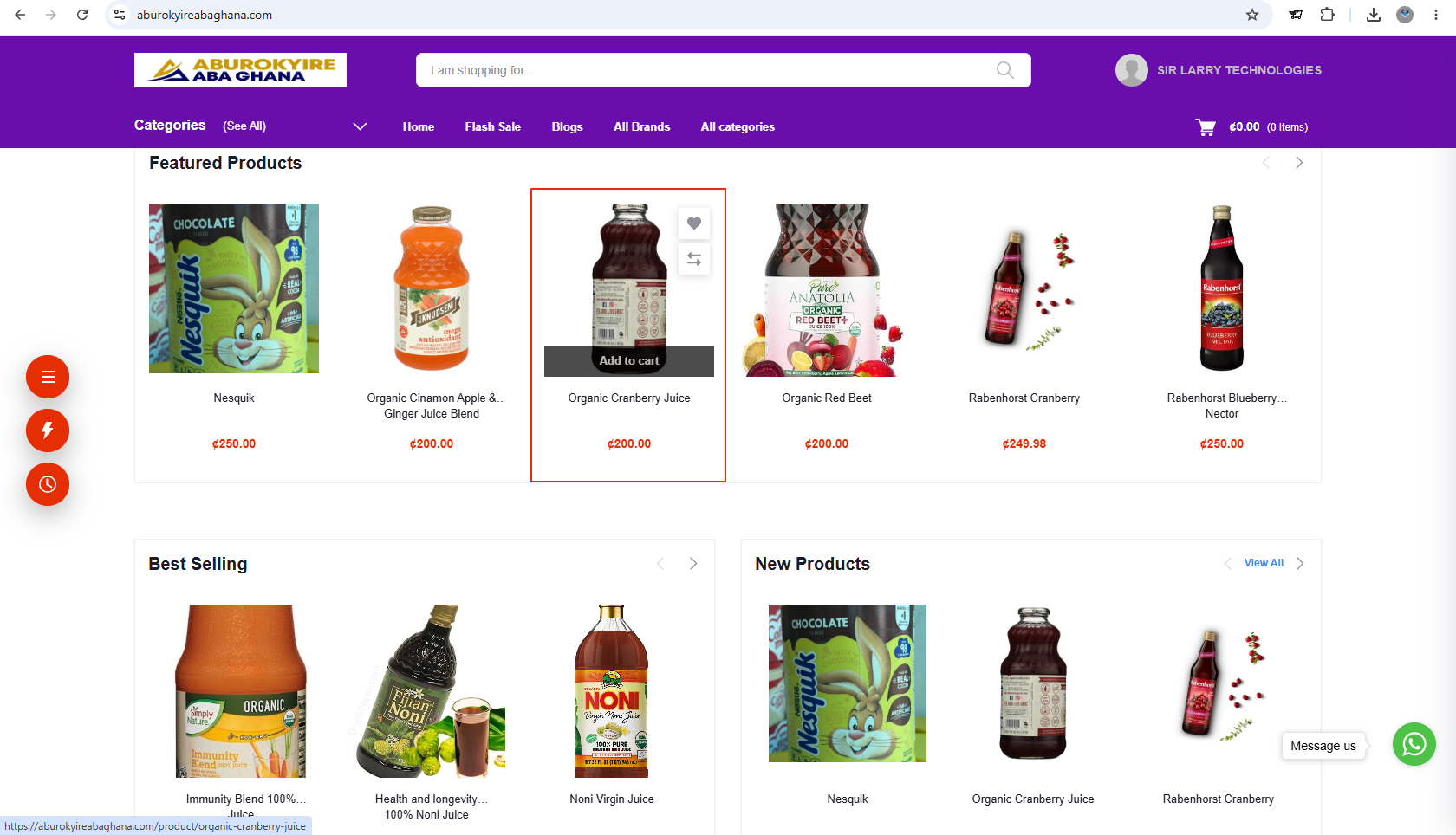
Digital platforms that help businesses present their services, receive enquiries, share information and interact with customers online.
Data and Reporting Tools
Systems that organize business information into reports, summaries and indicators that support planning and decision-making.
Connected Digital Systems
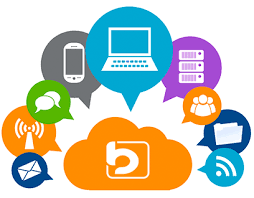
Integrations that allow compatible applications to exchange information, such as connecting a website to a payment service or a management system to email notifications.
2. How Technology Improves Business Management
Operational Efficiency
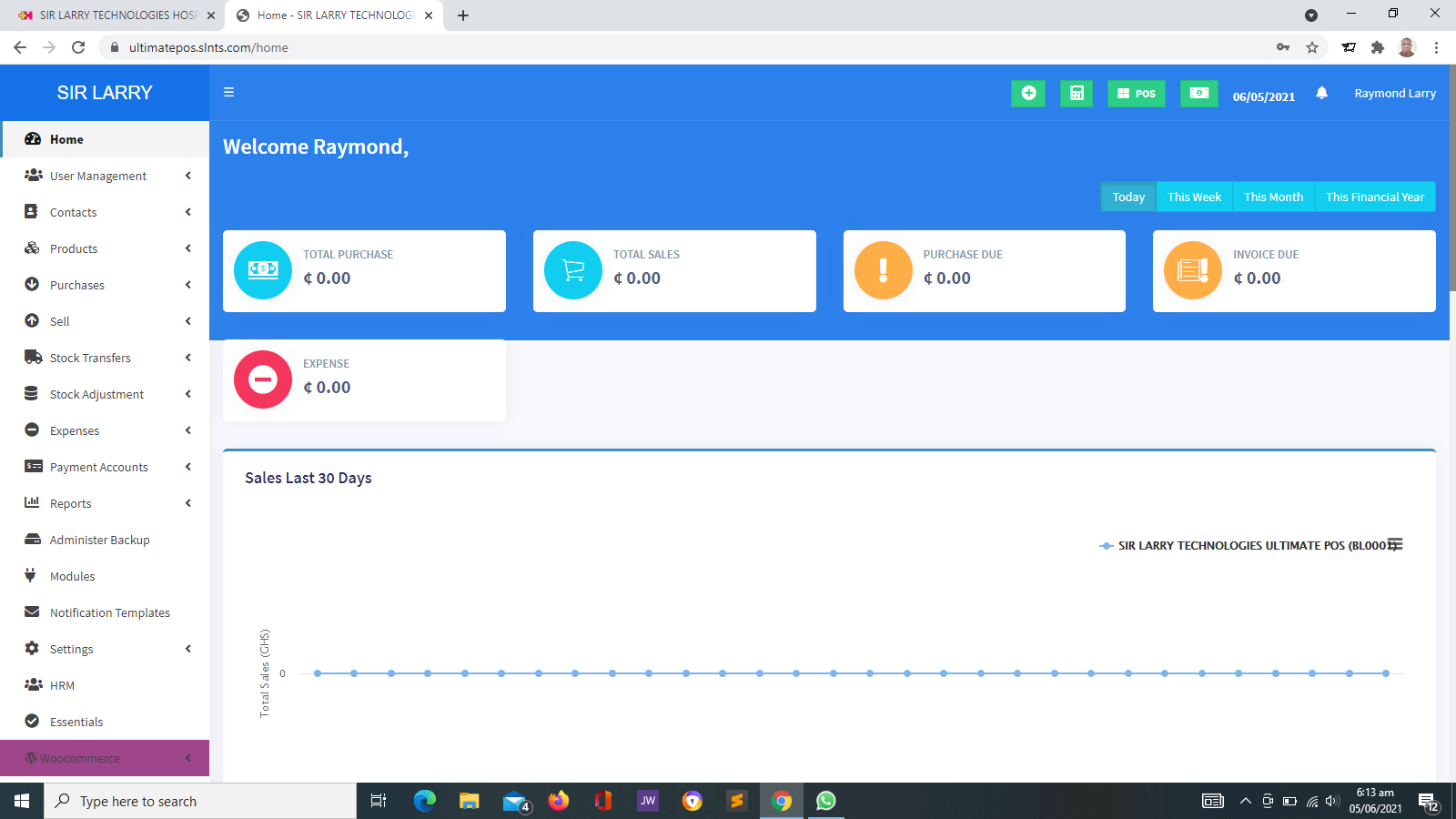
Digital systems can reduce repeated manual tasks, standardize routine procedures and make important information easier to retrieve. For example, a POS system can record sales and update stock records when configured to support that workflow.
Financial Management
Accounting and invoicing tools can help businesses record income, expenses, payments, outstanding balances and financial transactions. Reliable records make it easier to review financial performance.
Customer Relationship Management
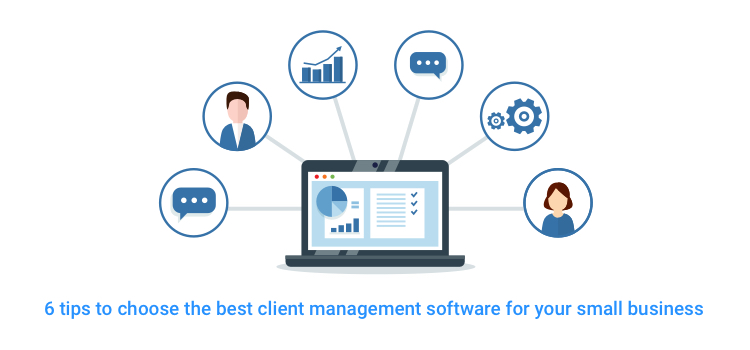
Customer management systems can organize contact details, enquiries, sales opportunities, communication history and follow-up activities, helping businesses maintain more consistent customer service.
Inventory and Stock Control
Inventory systems can track products received, stock issued, sales, adjustments and reorder levels. Their usefulness depends on accurate data entry and consistent stock procedures.
Planning and Decision-Making
Reports and dashboards can help managers review sales trends, costs, project progress and operational results. Better information supports decisions, although managers must still interpret the data carefully.
Communication and Coordination
Email, messaging tools, shared documents and workflow systems help teams communicate, distribute information and coordinate work across departments or locations.
Records and Documentation
Digital record systems can organize documents, transactions, employee information and client records. Access controls and suitable retention procedures help protect this information.
Performance Monitoring
Managers can use operational reports and measurable indicators to monitor targets, identify delays, review workloads and determine where improvements may be needed.
3. Important Types of Business Management Technology
Different organizations need different technology. The most appropriate solution depends on the organization's size, industry, budget, operating procedures and objectives.
Point of Sale (POS) and Inventory Systems
These systems are useful for retail businesses, pharmacies, supermarkets and other businesses that need to record sales and manage stock. Depending on the solution, they may support receipts, product records, sales summaries and stock movement tracking.
Accounting and Financial Management Systems
These tools help organize invoices, payments, expenses, income and financial reports. Some also support budgeting, bank reconciliation or tax-related records, depending on their design and configuration.
Customer Relationship Management (CRM) Systems
CRM software helps businesses maintain customer records, track leads, schedule follow-ups and organize sales or service interactions.
Human Resource Management Systems
HR systems can help manage employee records, recruitment, attendance, leave requests, training and performance reviews. Payroll capabilities vary by system.
Project Management Systems
These tools help teams assign tasks, set deadlines, track milestones, organize project documents and monitor progress against agreed plans.
Websites, E-Commerce and Digital Communication
Websites and online platforms help organizations present information, receive enquiries and, where appropriate, support online transactions. Email, SMS and payment integrations can connect digital services to business workflows.
Enterprise Resource Planning (ERP) Systems
An ERP system can bring several business functions into a more integrated environment, such as finance, procurement, inventory and operations. ERP implementations often require more extensive planning and resources than standalone applications.
4. The Role of Technology in Small Business Growth
Small businesses can benefit from technology without immediately investing in a large or complicated system. The best starting point is often a tool that addresses a clear operational problem.
- Better sales records: Digital sales records can make it easier to review transactions and compare performance over time.
- More organized stock: Inventory tools can help businesses identify stock shortages, excess stock and fast-moving products.
- Professional online presence: A suitable website and business email address can help customers find and contact the business.
- Improved customer follow-up: Customer records and reminders can reduce missed enquiries and forgotten appointments.
- More consistent administration: Standardized digital forms and workflows can help staff follow the same procedures.
- Greater visibility: Reports can give owners a clearer view of activity, costs and results.
5. Technology and Business Decision-Making
Managers make decisions about staffing, pricing, spending, customer service, stock levels and business expansion. Technology can help by bringing relevant information together and making patterns easier to identify.
For example, a sales report may reveal which products sell most frequently, while an expense report may help management identify rising operating costs. A project dashboard may show whether tasks are being completed on schedule.
However, reports are only useful when the underlying information is sufficiently accurate and current. Managers should investigate unusual results, consider the business context and avoid relying on a single figure when making important decisions.
6. Automation: Reducing Repetitive Work
Automation involves using technology to perform defined tasks with less manual intervention. It can improve consistency and save time when the process is suitable for automation.
Examples include:
- Generating an invoice after a transaction is recorded.
- Sending an appointment reminder through a configured messaging service.
- Notifying a manager when stock reaches a specified threshold.
- Sending email confirmations after an online form is submitted.
- Assigning a task when a request reaches a particular stage.
- Preparing routine reports from recorded business data.
Automation should be tested and monitored. Incorrect rules, incomplete data or failed integrations can cause errors to spread more quickly than manual processes.
7. Artificial Intelligence in Business Management
Artificial Intelligence (AI) is becoming another tool that businesses may use to support selected activities. Depending on the application, AI can assist with drafting content, summarizing documents, classifying enquiries, analyzing data or helping staff find information.
AI may be useful for:
- Preparing an initial draft of a customer response for staff review.
- Summarizing long documents or meeting notes.
- Identifying possible patterns in sufficiently organized data.
- Supporting research, brainstorming and content planning.
- Helping employees locate or understand information.
8. Technology in Staff Management and Teamwork
Technology can help managers coordinate staff, share information and keep work organized. Depending on the tools selected, employees may be able to access assigned tasks, submit requests, update records and collaborate on documents.
For effective use, management should establish clear procedures covering:
- Who is responsible for each task or process.
- Which employees can view or edit particular records.
- How staff communicate urgent issues and routine updates.
- How work is reviewed and completed.
- What training employees need to use the systems properly.
- How access is removed when an employee leaves or changes roles.
Technology should support effective management, not replace communication, accountability or fair treatment of employees.
9. Technology, Customer Service and Business Reputation
Customers increasingly expect businesses to provide clear information, respond to enquiries and handle transactions reliably. Appropriate technology can help businesses meet these expectations.
- A professional website can explain services, operating details and contact options.
- A CRM system can help staff track enquiries and follow up consistently.
- Appointment tools can help organize bookings and reduce scheduling conflicts.
- Configured payment integrations can provide convenient payment options.
- Email and SMS notifications can keep customers informed about relevant updates.
- Support and feedback systems can help businesses record and address complaints.
These benefits depend on reliable systems and good service practices. A digital platform cannot compensate for inaccurate information, poor communication or unresolved customer problems.
10. Common Challenges of Business Technology
Although technology can improve business management, organizations may encounter challenges during selection, implementation and daily use.
💳 Cost and Budget
Software subscriptions, development, hosting, devices, maintenance, messaging credits and payment processing fees can all affect the total cost.
🎓 Training and Adoption
Employees may need practical training, clear instructions and time to adapt to new workflows.
🔐 Security and Privacy
Weak passwords, excessive user permissions, phishing and inadequate backups can expose important business information.
🔄 Integration and Compatibility
Different applications may not exchange information easily. Compatibility, data formats and integration costs should be checked before purchase.
📶 Internet and Infrastructure
Some services depend on reliable internet, electricity or external platforms. Businesses should understand any offline capabilities and service dependencies.
📋 Poor Processes or Data
Technology may reproduce existing inefficiencies if workflows are unclear or records are inaccurate. Processes should be reviewed before automation.
11. How to Choose the Right Technology for Your Business
Before buying or developing a system, identify the problem it is expected to solve. Avoid selecting technology simply because it is popular or has many features.
- Identify the business need.
List the challenges, delays, errors or opportunities that the technology should address. - Define the required features.
Separate essential functions from optional features. Consider the actual workflows employees need to complete. - Set a realistic budget.
Account for implementation, devices, training, hosting, subscriptions, support and future maintenance—not just the initial purchase. - Evaluate available options.
Compare suitability, ease of use, reliability, security, support, scalability and integration requirements. - Check data ownership and access.
Understand how records can be exported, who controls access and what happens if you change providers. - Test before full deployment.
Where possible, use a demonstration or limited pilot to confirm that the solution fits your operations. - Train staff and assign responsibility.
Provide instructions and appoint people to oversee the system and resolve routine issues. - Review results regularly.
Compare performance against the original objectives and improve the setup when necessary.
12. Measuring the Value of Technology
Businesses should evaluate whether their technology is producing meaningful improvements. The most appropriate measures depend on the purpose of the system.
- Time saved: How long do routine tasks take before and after implementation?
- Record accuracy: Have data-entry errors or missing records decreased?
- Customer response: Are enquiries being handled more consistently?
- Stock control: Has the business improved its ability to identify shortages or discrepancies?
- Financial visibility: Can management access useful income, expense and payment information more easily?
- Staff adoption: Are employees using the system correctly and consistently?
- System reliability: Are outages, failed transactions and recurring technical issues being monitored?
- Total cost: Do the operational benefits justify the cost of implementation and ongoing use?
Establish a baseline before implementation whenever possible. This makes it easier to assess whether the change has delivered measurable value.
13. Protecting Business Information
As businesses rely more heavily on digital systems, protecting records becomes an essential part of management. Security should be considered during system selection and throughout its use.
- Use strong, unique passwords and multifactor authentication where available.
- Give employees access only to the information required for their responsibilities.
- Keep software and supported devices updated.
- Maintain regular backups and test whether data can be restored.
- Use secure connections and trusted payment integrations.
- Train staff to recognize suspicious links, messages and requests.
- Establish procedures for reporting security incidents and suspected data exposure.
- Handle personal and confidential information in accordance with applicable legal and contractual requirements.
14. The Role of Technology Service Providers
Technology service providers can help organizations identify suitable solutions, develop or deploy software, configure websites, connect digital services, train users and provide technical support.
For example, a business may need a website, a POS and inventory system, an NGO management platform, a customer management system or integrations for payments and notifications. Each project should begin with a clear understanding of the organization's requirements.
When engaging a provider, businesses should clarify:
- The agreed scope of work and functions to be delivered.
- Implementation timelines and client responsibilities.
- Setup fees, recurring subscriptions and third-party charges.
- Hosting, domain and infrastructure arrangements.
- Data access, ownership and export options.
- Training, maintenance, support and renewal terms.
- Security responsibilities, backup arrangements and recovery procedures.
Written agreements and clear expectations help both the client and the service provider understand what is included and what may require additional work or cost.
15. Technology and Business Management in Ghana
Businesses in Ghana can use technology to organize operations, reach customers online, maintain better records and support services across different locations. Digital payment options, business websites, inventory systems, accounting tools and electronic communication can be useful in many sectors.
However, each organization should consider local operating conditions, internet availability, electricity reliability, staff skills, customer preferences and the cost of ongoing services. Businesses using Mobile Money, card payments or other third-party services should also check transaction charges, settlement procedures, service availability and the provider's requirements.
Organizations handling personal information should assess their obligations under applicable Ghanaian data protection requirements and implement appropriate safeguards for the information they collect and use.
16. Frequently Asked Questions
What is the role of technology in modern business management?
Technology helps organizations manage operations, finances, staff, customers, inventory, communication and information. It can improve efficiency and decision-making when supported by accurate data and effective processes.
Is technology important for small businesses?
Yes. Small businesses can use suitable digital tools to improve sales records, manage stock, communicate with customers and organize administrative work. The right starting point depends on the business's needs and budget.
Does every business need an ERP system?
No. Some businesses can operate effectively with a few focused applications. An ERP system may be useful when an organization needs more integrated processes across multiple departments, but its cost and complexity should be justified.
Can technology reduce business operating costs?
It can reduce some costs by improving efficiency, limiting errors and reducing repetitive work. However, software, infrastructure, training, maintenance and subscription expenses must also be considered.
Can technology replace business managers?
Technology can support managers with information, reports and automation, but people remain responsible for judgment, leadership, accountability, relationships and important decisions.
How should a business start its digital transformation?
Begin by identifying one or two important operational challenges, choose a suitable solution, establish a realistic budget, train users and measure the results before expanding to other areas.
What should a business consider before adopting new software?
Consider required features, ease of use, total cost, security, data ownership, integration, training, technical support, scalability and the process for exporting or recovering business records.
Conclusion
Technology plays an important role in modern business management by helping organizations coordinate work, organize information, improve customer service and monitor performance. From simple digital tools to integrated management systems, the most effective solutions are those that address real operational needs.
Successful adoption requires more than purchasing software. Businesses should prepare their processes, involve employees, protect information, plan for ongoing costs and measure the results. With the right approach, technology can become a practical foundation for better management and sustainable business development.
Need Technology Solutions for Your Business?
Sir Larry Technologies helps businesses and organizations explore digital solutions such as websites, business management systems, POS and inventory solutions, and payment or communication integrations. The appropriate scope depends on your requirements and the services agreed upon.
Visit Sir Larry Technologies