







Emerging Technology Trends in Ghana
Explore the technologies shaping Ghana's digital economy, from Artificial Intelligence and Mobile Money to cloud computing, cybersecurity, digital education and smart business management systems.
Technology is changing how businesses operate, how people communicate and how organizations deliver services in Ghana. Digital payments, online platforms, mobile applications and business software are already part of many people's daily activities. New developments in Artificial Intelligence, cloud computing, cybersecurity and connected devices are creating additional opportunities.
Understanding these trends can help business owners, schools, NGOs, entrepreneurs and professionals make informed decisions about which technologies are relevant to their work. Not every trend will be suitable for every organization, so practical value, affordability, security and local operating conditions should guide adoption.
1. Artificial Intelligence (AI)
Artificial Intelligence is one of the major technology developments influencing businesses and professional work worldwide. AI tools can assist with tasks such as analyzing information, generating drafts, summarizing documents, classifying enquiries and supporting customer service.
In Ghana, potential applications span retail, education, finance, agriculture, healthcare administration, marketing and professional services.
Business Productivity
AI assistants can help staff prepare initial drafts, summarize documents, organize ideas and complete selected repetitive tasks more efficiently.
Customer Support
AI-powered tools may help answer routine questions, categorize support requests or direct customers to relevant information when properly configured.
Data Analysis
Suitable AI tools can assist with examining structured information and identifying possible patterns for further investigation.
Education and Training
Teachers and learners may use AI tools for lesson preparation, explanations, practice activities and learning support, with appropriate human oversight.
AI also presents challenges, including inaccurate outputs, privacy concerns, bias, copyright questions and the possibility of over-reliance on automated recommendations.
2. Digital Payments and Mobile Money
Digital payments have become an important part of Ghana's financial and commercial environment. Mobile Money, bank transfers, card payments and online payment gateways give individuals and businesses different ways to send and receive money.
Businesses can use compatible payment services to support:
- Customer payments for goods and services.
- Online purchases and service bookings.
- School fees or organizational payments where supported.
- Donations and fundraising transactions.
- Payment confirmation and transaction reconciliation.
- Digital records of payments received.
Integrating a payment service into a website or management system may reduce some manual steps, but it requires suitable configuration and testing.
3. Cloud Computing and Online Business Systems
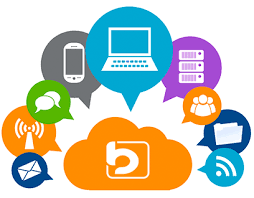
Cloud computing allows organizations to access computing resources, applications and data storage through internet-connected services. Instead of maintaining every application on an office computer or local server, a business may use a hosted system managed through a web browser or mobile application.
Examples of cloud-based business applications include:
- Accounting and invoicing systems.
- Customer relationship management platforms.
- School and learning management systems.
- NGO and project management systems.
- Church and membership management platforms.
- Online document storage and collaboration tools.
Cloud-based systems may make access easier for authorized users in different locations. However, organizations should consider internet availability, subscription costs, hosting reliability, access controls, backup arrangements and data ownership.
4. Cybersecurity and Data Protection
As businesses depend more on digital platforms, protecting systems and information becomes increasingly important. Cybersecurity includes the policies, technologies and practices used to protect devices, accounts, networks and data from unauthorized access, disruption and misuse.
Common risks include phishing messages, stolen passwords, fraudulent payment requests, malicious software, exposed databases and poorly configured websites.
Stronger Authentication
Use strong, unique passwords and multifactor authentication where available, especially for administrative accounts.
Reliable Backups
Maintain appropriate backups and periodically test whether important information can be restored.
Access Management
Give employees access only to the records and functions needed for their responsibilities.
Security Awareness
Train staff to identify suspicious messages, verify unusual payment instructions and report possible incidents.
Organizations handling personal information should assess their responsibilities under applicable Ghanaian data protection requirements and use safeguards appropriate to the information they hold.
5. Digital Business Management Systems
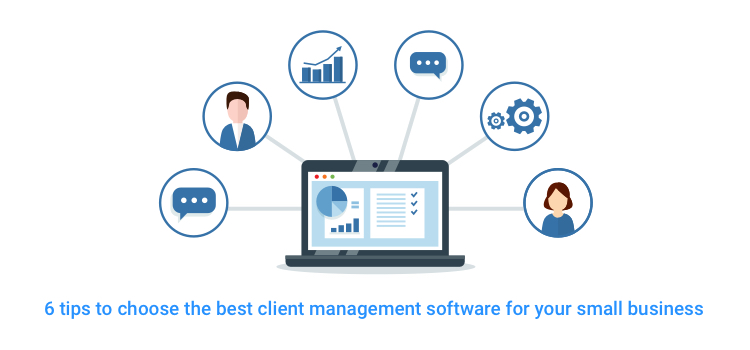
More organizations are exploring software to organize daily operations and reduce dependence on disconnected paper records, spreadsheets and informal processes.
Digital management systems can help businesses and institutions manage:
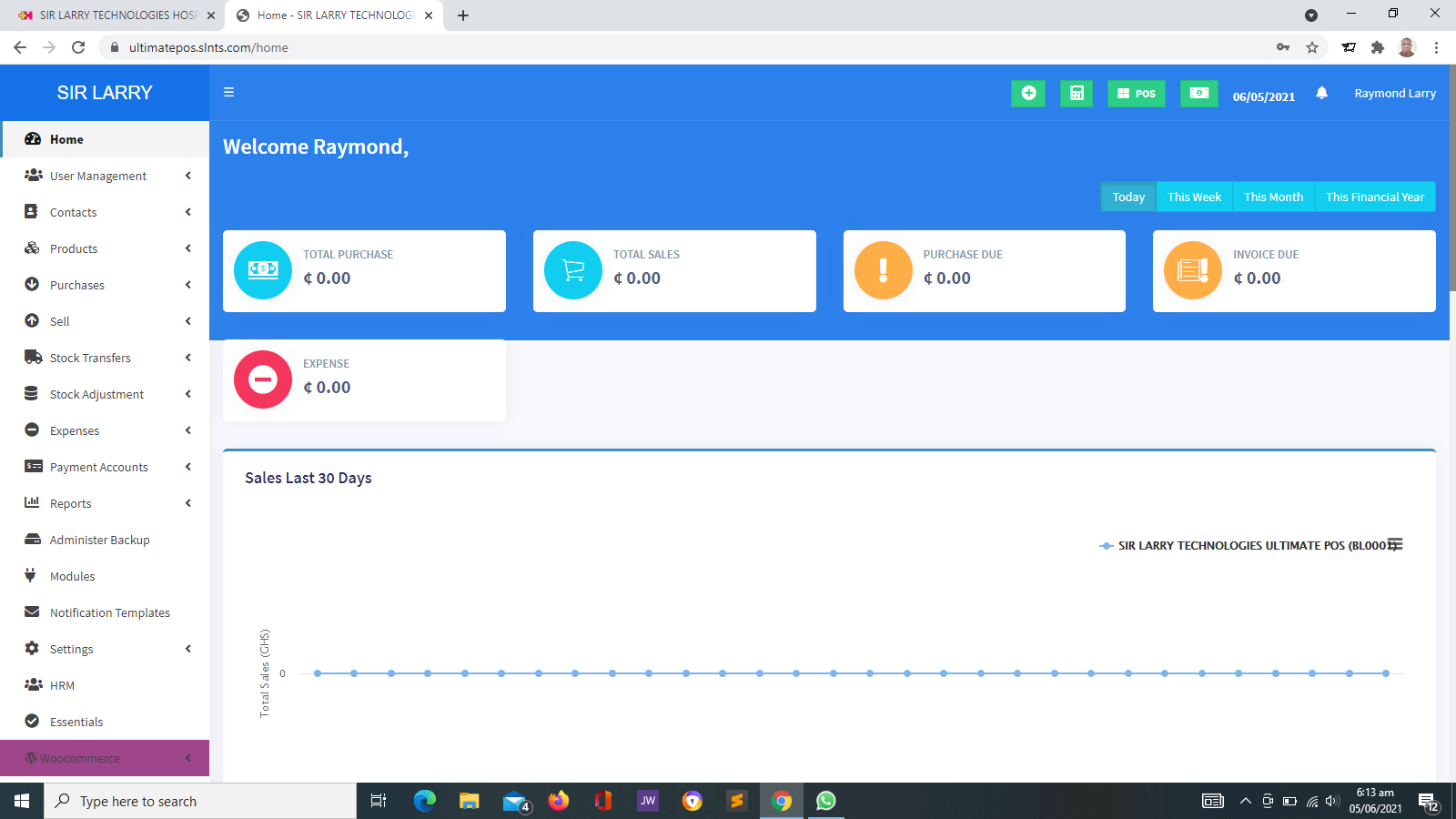
- Sales and inventory: Record transactions and monitor stock movement.
- Accounts: Organize invoices, income, expenses and payment records.
- Customers: Maintain contact details, enquiries and follow-up activities.
- Human resources: Manage employee records, attendance and leave processes.
- Projects: Assign tasks, track deadlines and monitor progress.
- Education: Organize learners, courses, attendance and assessments.
- Membership: Maintain membership records, activities and communication.
The most appropriate system depends on the organization's size, processes, budget and required features. A small business may need only a focused POS system, while a larger organization may benefit from integrating multiple business functions.
6. E-Commerce and Digital Business Platforms
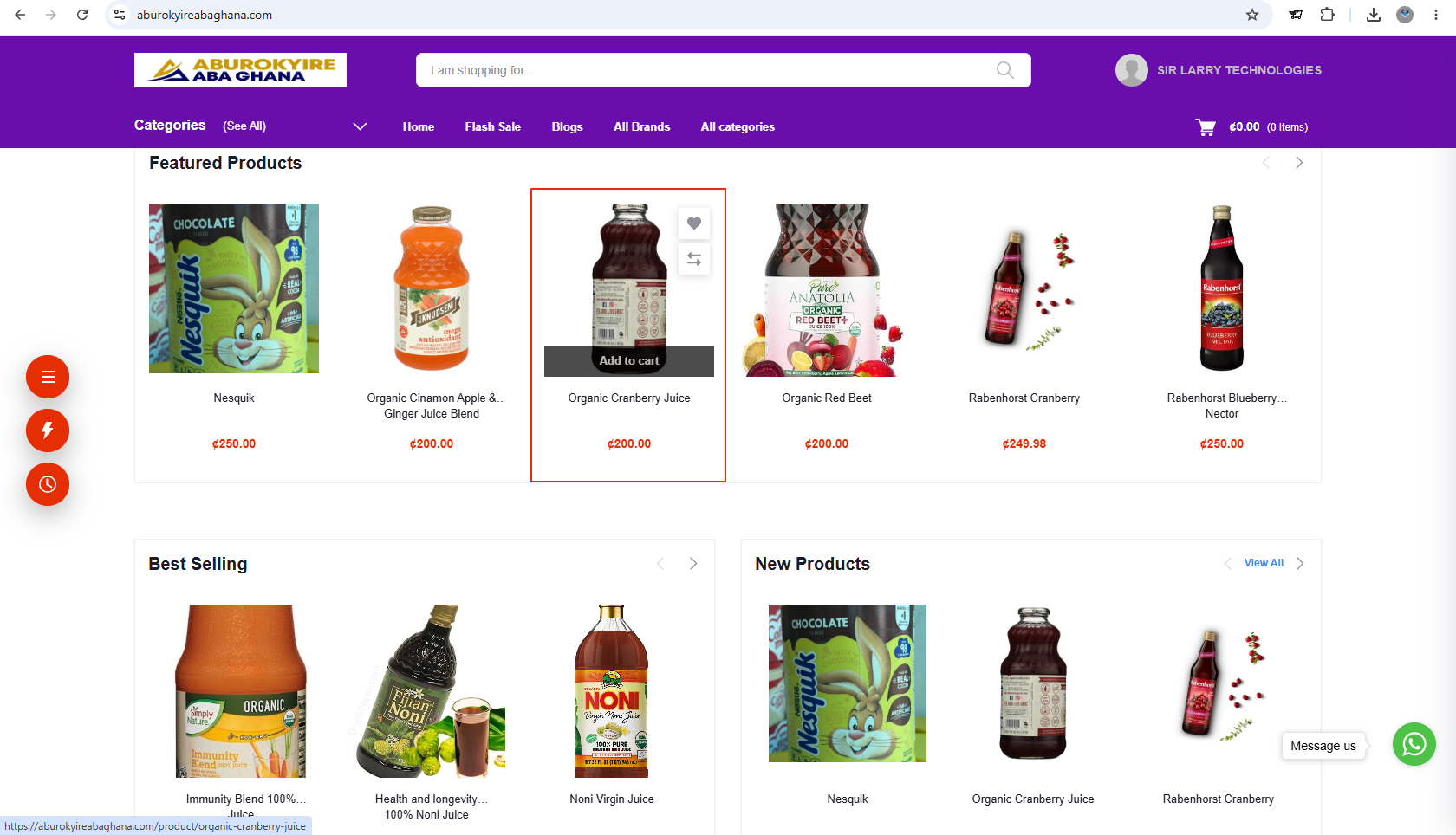
Websites and digital platforms give businesses opportunities to reach customers beyond their immediate physical locations. Depending on their design, online platforms can present products and services, receive enquiries, accept orders and connect customers to payment or booking services.
Potential benefits include:
- Providing customers with information outside normal business hours.
- Reaching prospective customers in other towns and regions.
- Presenting products, services and business contact information professionally.
- Supporting online enquiries and bookings.
- Integrating selected payment and communication services.
- Measuring certain aspects of website traffic and customer interaction.
A website alone does not guarantee sales. Businesses also need relevant offerings, accurate information, responsive service, appropriate promotion and reliable order fulfilment.
7. Digital Education and E-Learning
Digital education tools are changing how schools, training institutions and organizations deliver learning materials and support learners. Learning platforms can help educators distribute resources, assign activities, communicate with learners and monitor progress.
Examples include:
- Learning Management Systems (LMS).
- Online courses and digital training programmes.
- Virtual classrooms and video conferencing.
- Digital quizzes and assessments.
- Educational videos and interactive learning materials.
- Robotics, coding and computer programming activities.
- AI-assisted learning resources with teacher supervision.
For Ghanaian schools and training providers, successful implementation requires consideration of device availability, electricity, internet access, teacher preparation, learner accessibility and the cost of maintaining the platform.
Why digital skills matter
As digital tools become more common, learners and workers benefit from practical skills in computer use, online research, data handling, digital communication, cybersecurity and responsible use of AI. These skills can support participation in education and the changing world of work.
8. Internet of Things (IoT) and Smart Devices
The Internet of Things refers to physical devices that collect or exchange data through networks. Depending on the application, connected devices may monitor environmental conditions, equipment performance, location or other measurements.
Potential applications relevant to Ghana include:
- Monitoring temperature and humidity in selected storage facilities.
- Using sensors to support irrigation and soil monitoring in agriculture.
- Tracking equipment conditions in industrial environments.
- Monitoring energy use in buildings.
- Collecting data for selected environmental or infrastructure projects.
These applications require suitable devices, reliable data collection, appropriate connectivity, maintenance and security. They are not automatically cost-effective for every business or farm.
9. Fintech and Digital Financial Services
Financial technology, commonly called fintech, uses software and digital infrastructure to deliver or improve financial services. Digital payments are one part of this broader field.
Depending on the provider and applicable requirements, fintech services may support:
- Digital payments and transfers.
- Online payment processing for businesses.
- Digital financial records and transaction histories.
- Selected savings, lending or insurance services.
- Business payment reconciliation.
- Financial management tools for individuals and organizations.
Businesses should verify that providers are legitimate and appropriately authorized for the services they offer. They should also understand charges, dispute procedures, privacy practices and fraud risks before adopting a service.
10. Robotics, Automation and Smart Manufacturing
Robotics and automation involve using machines, software or control systems to perform tasks with reduced manual intervention. Although the level of adoption differs by industry and organization, these technologies offer potential applications in manufacturing, agriculture, logistics, education and selected service environments.
Examples include:
- Automated equipment performing repetitive production tasks.
- Robotics kits used for science, technology and engineering education.
- Automated monitoring of selected industrial processes.
- Software automation for repetitive administrative workflows.
- Technology-assisted sorting, measurement or quality checks.
Automation projects require careful assessment of costs, technical expertise, safety, maintenance and the skills employees will need to operate or supervise the equipment.
11. Data Analytics and Business Intelligence
Data analytics involves examining information to understand performance, identify patterns and support decisions. Business intelligence tools can present selected information through reports, charts and dashboards.
Businesses may use analytics to examine:
- Sales performance over different periods.
- Product demand and stock movement.
- Customer enquiries and service response times.
- Operating expenses and payment patterns.
- Project milestones and programme activities.
- Website traffic and online engagement.
Good analysis depends on accurate, relevant and sufficiently complete data. Businesses should also protect confidential information and avoid drawing strong conclusions from limited or misleading evidence.
12. Digital Health and Healthcare Administration
Digital technology can support healthcare administration through systems that organize appointments, patient registration, laboratory workflows, reporting and communication. Some applications may also support remote consultations or other digital health services where appropriate.
Potential administrative applications include:
- Patient registration and record management.
- Appointment scheduling and reminders.
- Laboratory workflow and results management.
- Medical report preparation and storage.
- Administrative reporting and service coordination.
13. Green Technology and Energy Management
Green technology includes products and systems intended to improve resource efficiency or reduce environmental impact. In Ghana, businesses and institutions may consider technologies that support energy monitoring, renewable energy, efficient equipment and better resource management.
Examples include:
- Solar power systems for suitable buildings and facilities.
- Energy-efficient lighting and equipment.
- Digital tools for monitoring electricity consumption.
- Smart controls for selected building systems.
- Technology that supports water management or agricultural efficiency.
The financial and environmental benefits depend on the technology selected, installation quality, maintenance, usage patterns and local conditions. Organizations should assess costs and expected performance before investing.
14. Cloud Storage, Collaboration and Remote Work
Cloud-based collaboration tools allow authorized users to share documents, coordinate tasks and communicate across different locations. These tools can support businesses with distributed teams, field staff, external partners or employees who work remotely for part of their schedule.
Common uses include:
- Sharing and editing documents.
- Holding online meetings and training sessions.
- Managing shared calendars and tasks.
- Organizing project files.
- Coordinating activities between offices or field teams.
- Maintaining centralized access to selected work information.
Organizations should establish clear rules for file access, version control, information sharing, device security and the use of personal devices for work.
15. Challenges Affecting Technology Adoption in Ghana
Emerging technology creates opportunities, but adoption is influenced by practical constraints. Organizations should consider these challenges before committing significant resources.
Affordability
Devices, software, data services, infrastructure, training and ongoing maintenance can be expensive for some businesses and institutions.
Connectivity and Electricity
Some digital services depend on reliable internet and power. Organizations should consider backup arrangements and offline capabilities where relevant.
Digital Skills
Staff may need practical training to use new tools effectively, recognize security threats and maintain accurate digital records.
Security and Privacy
Weak access controls, unsafe data handling and inadequate backups can expose sensitive information or disrupt operations.
Integration Difficulties
Different applications may not work together without additional configuration, development or compatible interfaces.
Choosing Suitable Solutions
Organizations can waste resources by adopting technology that is too complex, poorly supported or unrelated to their actual needs.
16. How Ghanaian Businesses Can Prepare for Emerging Technologies
Businesses do not need to adopt every new technology. A practical approach is to identify opportunities that address genuine operational needs and introduce them in manageable stages.
- Review existing operations.
Identify manual tasks, recurring problems, delays and information gaps that technology could reasonably address. - Prioritize business needs.
Decide which improvements are most important and distinguish essential requirements from optional features. - Build digital skills.
Train staff in relevant software, data management, online communication and cybersecurity practices. - Compare available solutions.
Assess suitability, affordability, reliability, support, integration requirements and data ownership. - Start with a manageable project.
Test a solution on a suitable scale before expanding it across the organization. - Protect data and systems.
Set appropriate permissions, maintain backups and establish procedures for responding to security incidents. - Measure the results.
Compare performance against the original objectives and review the total cost of operating the solution. - Expand when justified.
Use the lessons from the initial implementation to guide future investments.
17. Opportunities for Young People and Entrepreneurs
Emerging technologies can create opportunities for young people, students, professionals and entrepreneurs to develop useful skills and explore new services. The opportunities available to any individual will depend on their interests, training, resources and market needs.
Areas worth exploring include:
- Web development and software engineering.
- IT support and cybersecurity.
- Data analysis and database management.
- Digital marketing and online business operations.
- Robotics, electronics and embedded systems.
- AI-assisted productivity and responsible AI implementation.
- Digital training and educational technology.
- Business software implementation and technical support.
Building practical projects, learning to solve real problems and developing communication and business skills can help learners turn technical knowledge into useful services.
18. The Role of Technology Service Providers
Technology service providers can help businesses and organizations assess their requirements, select suitable tools, develop or deploy software, configure websites and connect compatible digital services.
For example, an organization may need a POS and inventory system, a customer management platform, a school or NGO management solution, a professional website or a payment integration. The appropriate solution should be determined by the organization's needs rather than by technology trends alone.
Before starting a project, clients should clarify the agreed scope, costs, implementation schedule, third-party fees, hosting arrangements, data access, security responsibilities, training and ongoing support.
How Sir Larry Technologies fits into the digital landscape
Sir Larry Technologies provides technology-related services including website development, POS and inventory solutions, and business management software. Organizations can explore suitable options based on their operational needs, available resources and the functions required.
Specific features, integrations and support arrangements should be confirmed during project planning rather than assumed to be included in every solution.
19. Frequently Asked Questions
What are the emerging technology trends in Ghana?
Important areas to watch include Artificial Intelligence, digital payments, cloud computing, cybersecurity, business management software, e-commerce, digital education, data analytics, connected devices and automation. Their adoption and maturity vary across industries.
Which technology trend is most useful for a small business?
There is no single answer for every business. A retailer may benefit from POS and inventory software, while a service provider may prioritize a website and customer management system. The best choice depends on the main business challenge.
Is AI useful for businesses in Ghana?
AI can assist with selected tasks such as drafting content, summarizing documents and analyzing information. Businesses should evaluate accuracy, cost, privacy and suitability before relying on AI tools.
Do businesses need to adopt all emerging technologies?
No. Businesses should focus on technologies that address their operational needs and provide value. Adopting too many tools without a clear plan can increase costs and complexity.
How can schools and NGOs benefit from technology?
They may use digital systems to organize records, manage activities, coordinate staff, support learning, communicate with stakeholders and prepare reports. The chosen solution should fit the organization's specific workflows and resources.
What is the biggest challenge in adopting new technology?
Challenges vary, but affordability, digital skills, connectivity, security, change management and choosing suitable solutions are important considerations. Planning and staff training can help reduce implementation difficulties.
How can an organization start its digital transformation?
Begin by identifying a real operational problem, defining the required outcome, comparing suitable solutions, training users and measuring results before expanding to additional systems.
Conclusion
Emerging technologies are creating new ways for businesses, schools, NGOs and other organizations in Ghana to manage information, deliver services and improve operations. AI, digital payments, cloud computing, cybersecurity, e-learning and business management software each offer opportunities, but their usefulness depends on the needs and circumstances of the organization.
The most effective approach is not to adopt technology simply because it is new. It is to understand the problem, choose an appropriate solution, prepare users, protect information and measure whether the investment delivers practical value.
As Ghana's digital economy continues to develop, organizations that build relevant digital skills and make thoughtful technology decisions will be better positioned to respond to new opportunities and challenges.
Explore Digital Solutions for Your Organization
Sir Larry Technologies helps businesses and organizations explore websites, POS and inventory systems, and business management software. Discuss your requirements to determine which digital solution may be appropriate for your operations.
Visit Sir Larry Technologies