







The Future of Business Technology
How Artificial Intelligence, automation, cloud computing, digital payments and connected business systems are changing the way organizations operate, serve customers and grow.
Business technology is evolving rapidly. Organizations that once depended on paper records, manual calculations and face-to-face transactions can now use digital tools to organize information, communicate with customers, manage operations and make more informed decisions.
The future is not simply about purchasing more computers or using the latest applications. It is about selecting appropriate technologies, connecting business processes and using information responsibly to solve real problems.
1. What Is the Future of Business Technology?
The future of business technology refers to the emerging tools, systems and digital practices that are expected to influence how businesses and other organizations work in the coming years.
These developments include smarter software, automated processes, digital payments, improved data analysis, cloud-based services and stronger cybersecurity. Their impact will depend on the needs of each organization, the quality of implementation and the ability of employees to use them effectively.
2. Major Technologies Shaping the Future
🤖 Artificial Intelligence (AI)
AI can help analyze information, summarize documents, assist with customer enquiries, generate content and support selected decision-making tasks.
Businesses should verify AI-generated information and use human oversight for important decisions.
⚙️ Automation
Automation reduces repetitive manual work. For example, a system may generate receipts, send reminders, update stock records or prepare routine reports when configured to do so.
Automation can improve consistency, but processes still need monitoring and exception handling.
☁️ Cloud Computing
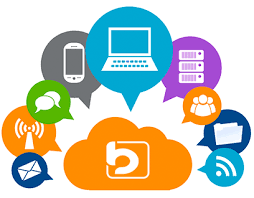
Cloud services allow organizations to use hosted applications, store information remotely and access approved systems through internet-connected devices.
Organizations must consider availability, access controls, backup arrangements, recurring costs and data protection.
📱 Digital Payments and Fintech
Mobile Money, payment gateways and digital financial services make it possible for businesses to accept electronic payments and record transactions.
Payment integrations must be properly configured, tested and reconciled against provider transaction records.
📊 Data Analytics and Reporting
Digital systems can turn business records into reports that help managers understand sales, expenses, inventory, customer activity and operational performance.
Useful analysis depends on accurate, complete and consistently recorded data.
🔐 Cybersecurity and Data Protection
As organizations depend more on digital systems, protecting accounts, devices, customer information and business records becomes increasingly important.
Strong passwords, multifactor authentication where available, regular updates, controlled access and tested backups all contribute to safer operations.
🔗 Integrated Business Systems
Organizations can connect compatible systems to reduce repeated data entry and improve coordination between sales, inventory, accounts, customer service and management.
Integration depends on the available features, technical compatibility, permissions and any required third-party services.
🌐 Internet of Things (IoT)
Connected devices can collect and transmit information from equipment, facilities, vehicles or other physical assets.
Depending on the industry, this information can support monitoring, maintenance and more efficient use of resources.
3. How Business Operations May Change
These technologies can change how everyday work is performed. The following are examples of possible applications, not a guarantee that every software product includes these capabilities.
🏪 Retail and Wholesale
- Electronic sales recording and receipt generation.
- Inventory tracking and low-stock alerts.
- Sales summaries and product performance reports.
- Electronic payment recording and reconciliation.
🏢 Offices and Professional Services
- Digital document management.
- Customer records and follow-up reminders.
- Online appointment and enquiry handling.
- Automated preparation of selected routine reports.
🏫 Schools and Training Institutions
- Digital student and staff records.
- Learning materials and online assessments.
- Attendance and performance reporting.
- Communication with students and parents.
🤝 NGOs and Nonprofit Organizations
- Project planning and activity tracking.
- Beneficiary, volunteer and membership records.
- Resource and donation tracking.
- Programme reporting and documentation.
🏥 Healthcare Providers
- Patient registration and appointment management.
- Laboratory workflow and result recording.
- Controlled access to patient information.
- Administrative reporting and communication.
Healthcare systems require careful attention to confidentiality, accuracy and applicable professional requirements.
⛪ Churches and Membership Organizations
- Member and group records.
- Event and attendance management.
- Contribution and donation records.
- Communication and administrative reports.
4. The Growing Importance of Digital Management Systems
As organizations expand, manual recordkeeping can become difficult to coordinate. Information may be scattered across notebooks, spreadsheets, messaging applications and individual computers.
Digital management systems help organize related activities in one structured environment. Depending on the system, an organization may use:
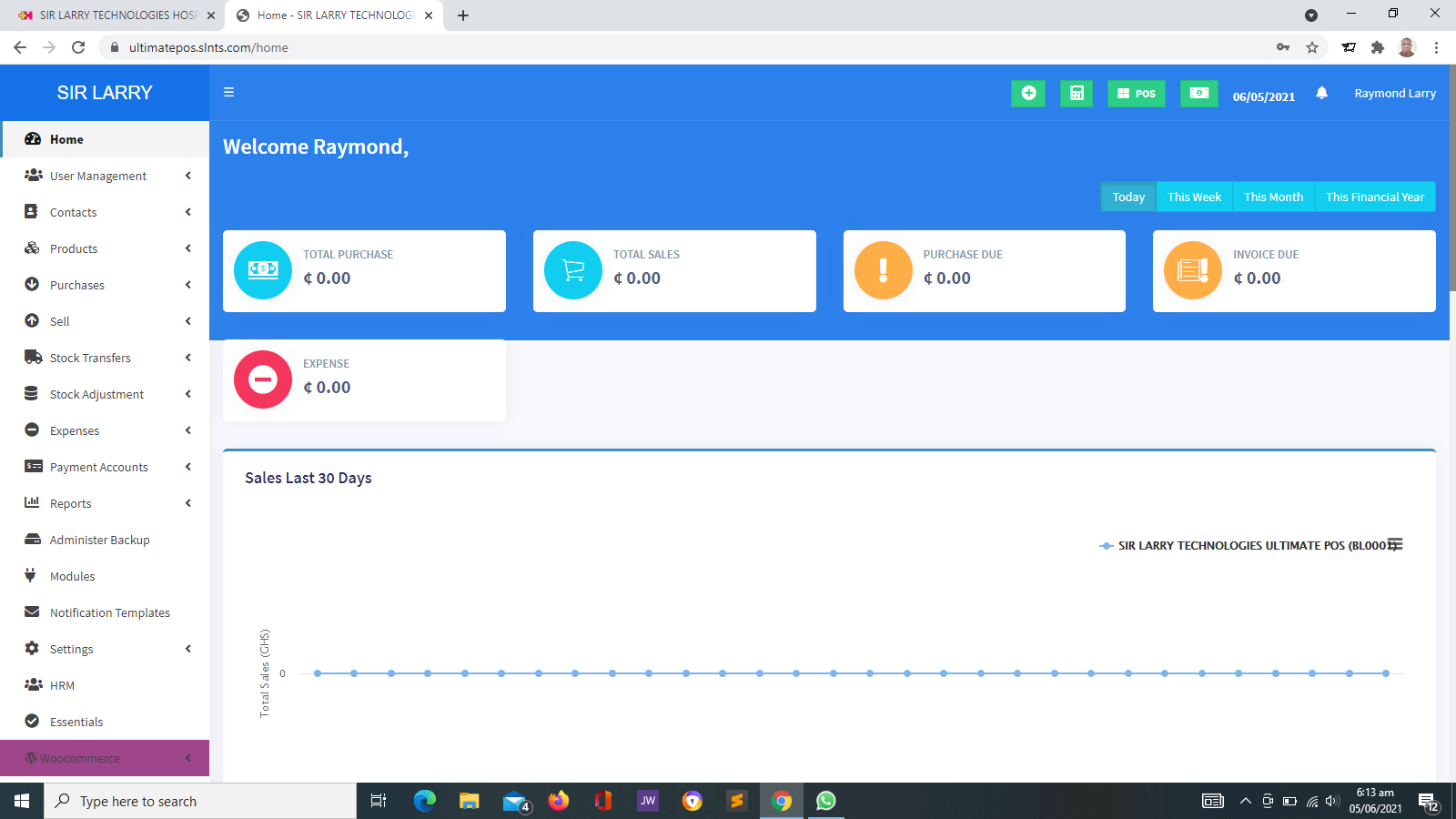
- Point of Sale (POS) and Inventory Systems: for recording sales and managing stock.
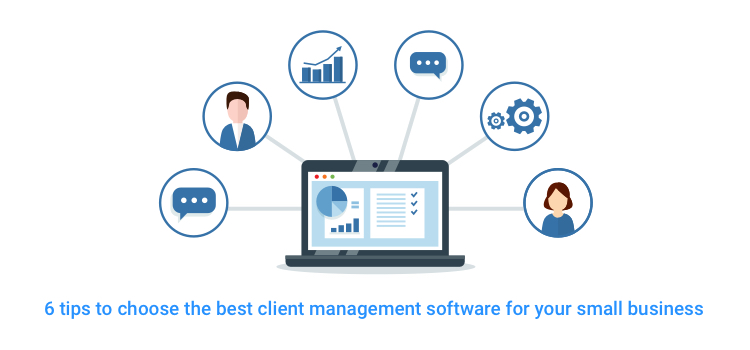
- Customer Relationship Management (CRM) Systems: for organizing customer information, enquiries and follow-ups.
- Accounts Management Systems: for recording income, expenses, invoices, payments and financial reports.
- Human Resource Management Systems: for organizing employee records and selected HR processes.
- School Management Systems: for managing student records, attendance, examinations and school administration.
- NGO Management Systems: for coordinating organizational records, projects, beneficiaries and reporting.
- Church Management Systems: for managing membership, activities, contributions and administrative information.
- Project Management Systems: for organizing tasks, responsibilities, deadlines, resources and progress.
The right solution depends on an organization's actual needs. A business does not necessarily need every system listed above, and some organizations may benefit from a suitably integrated solution.
5. Will Artificial Intelligence Replace Business Software?
AI is likely to become a more common feature in business software, but it does not eliminate the need for structured management systems.
Business applications maintain organized records, enforce permissions, process transactions and support defined workflows. AI may help users interact with information, identify patterns or complete selected tasks, but the underlying data and processes remain important.
Practical example: A sales system may record transactions and maintain stock balances. An AI assistant could potentially summarize sales trends or help explain a report if that capability is integrated. The business must still verify the figures and ensure the underlying records are correct.
6. The Role of Mobile Technology
Mobile devices are becoming important tools for communication, payments, customer service and business administration. Depending on the software, authorized users may be able to access records, approve activities, receive notifications or review reports using a phone or tablet.
For organizations in Ghana, mobile-friendly services can be particularly useful where staff, customers or field teams rely on smartphones. However, internet access, device capability, data costs and system compatibility must be considered.
7. What This Means for Businesses in Ghana
Businesses and institutions in Ghana can use digital technology to improve recordkeeping, reach customers, accept electronic payments and coordinate work. The appropriate starting point varies by sector, size, budget and operating environment.
- Small businesses: may begin with digital sales recording, inventory management and business email.
- Growing companies: may benefit from CRM, accounts software, staff management and connected reporting.
- Schools and training providers: may digitize student records, attendance, assessments and learning resources.
- NGOs: may organize project records, beneficiaries, activities and reporting requirements.
- Service providers: may use appointment scheduling, customer records, invoicing and electronic communication.
Organizations should assess their own circumstances rather than adopting technology simply because it is popular. Reliable implementation, staff training and ongoing support are as important as the software itself.
8. Benefits Organizations May Gain
⏱️ Greater Efficiency
Digitizing repetitive processes can reduce duplicate work and make information easier to retrieve.
📈 Better Visibility
Reports can help managers understand activities, identify problems and monitor performance.
🤝 Improved Service
Organized customer records and communication workflows can help teams respond more consistently.
🧾 Stronger Recordkeeping
Structured records can make transactions and administrative activities easier to review, subject to proper controls.
🌱 Support for Growth
Suitable systems can help organizations manage increasing activity without relying entirely on manual processes.
🔄 Better Coordination
Compatible systems can help teams share relevant information without repeatedly entering the same data.
9. Challenges to Prepare For
Although digital technology offers opportunities, adopting it without preparation can introduce new difficulties.
- Cost: software, equipment, internet access, hosting, integrations and support may involve initial and recurring expenses.
- Skills gaps: employees may need training before they can use a new system effectively.
- Cybersecurity risks: weak passwords, excessive permissions, phishing and unpatched software can expose information.
- Data quality: inaccurate or incomplete records can produce unreliable reports.
- Resistance to change: staff may need time and support to move away from familiar manual methods.
- Integration difficulties: not every application can exchange information with every other system.
- Dependence on connectivity: internet-based services may be affected by outages or unreliable connections.
- Privacy and compliance: organizations must handle personal and sensitive information responsibly and follow applicable requirements.
Important: Digital transformation does not automatically guarantee higher profits, complete security or error-free operations. Results depend on the suitability of the solution, implementation quality, user adoption, data accuracy and ongoing management.
10. How to Prepare Your Organization for the Future
Organizations do not need to adopt every new technology at once. A measured approach can help control costs and reduce disruption.
Identify Your Operational Challenges
Determine where manual processes cause delays, repeated work, missing records, reporting difficulties or poor customer experiences.
Set Clear Objectives
Decide what the organization wants to improve, such as stock accuracy, faster service, more reliable reporting or better document management.
Choose Suitable Technology
Compare available solutions based on required features, usability, security, compatibility, support, total cost and future needs.
Prepare and Protect Your Data
Review existing records, remove duplicates where appropriate, plan migration carefully and establish access permissions and backup procedures.
Train Users and Test the System
Provide practical training, test important workflows and confirm that records, reports and integrations work as expected before full deployment.
Measure Results and Improve
Monitor agreed indicators, collect user feedback, resolve problems and review whether the system continues to meet organizational needs.
11. The Importance of Human Skills
As technology becomes more capable, human skills remain essential. Communication, leadership, critical thinking, creativity, ethical judgment and problem-solving help people use digital tools effectively.
Employees need to understand not only how to operate software but also when to question an output, protect confidential information, escalate a problem and make decisions that require professional judgment.
Organizations that combine suitable technology with capable, well-supported employees are better positioned to adapt as business needs change.
12. How Sir Larry Technologies Can Help
Sir Larry Technologies provides technology services that help businesses and organizations establish and improve their digital operations. The appropriate service depends on the client's requirements, budget and existing infrastructure.
🌐 Website Development
Professional websites can help organizations present their services, share information and provide suitable online communication or service features.
🛒 POS and Inventory Systems
Sales and stock management solutions can help eligible businesses record transactions, monitor inventory and review sales information.
🏢 Business Management Systems
Depending on the project, software solutions can support administrative records, organizational workflows, reporting and day-to-day operations.
💳 Digital Integrations
Where technically supported, payment gateways, Mobile Money, SMS and email services can be integrated into websites or business applications. Third-party services and usage fees may apply.
The objective is to identify practical technology that addresses a real need—not to introduce unnecessary complexity. Before a project begins, the scope, features, implementation requirements, costs and ongoing support arrangements should be discussed and agreed upon.
13. Frequently Asked Questions
Is digital transformation only for large companies?
No. Small businesses, schools, NGOs, churches and other organizations can adopt digital tools gradually. The best starting point is a solution that addresses a clear operational need and fits the available budget.
Will AI become necessary for every business?
Not necessarily. AI may be useful for some tasks, but it is not the right solution for every problem. Many organizations will benefit more immediately from reliable recordkeeping, accounting, inventory management, communication or cybersecurity improvements.
Can an organization digitize all its operations at once?
It may be possible, but a phased approach is often easier to manage. Starting with high-priority processes allows an organization to test the solution, train users and address problems before expanding.
How much does business technology cost?
Costs depend on the type of solution, number of users, required features, data migration, integrations, hosting, equipment, training and support. A clear assessment is needed before an accurate quotation can be prepared.
How can we protect our business information?
Use appropriate access permissions, strong unique passwords, multifactor authentication where available, regular updates, reliable backups and staff awareness training. The organization should also establish procedures for handling personal and confidential information.
How do we know which technology to adopt first?
Begin with the problem that causes the greatest operational difficulty or risk. Compare solutions against your objectives, budget, staff capabilities and future requirements before making a decision.
Prepare Your Organization for the Digital Future
The future of business technology starts with practical decisions today. Whether you need a professional website, a POS and inventory system or software to support your organization's operations, Sir Larry Technologies can discuss your requirements and help you assess suitable options.
Visit Sir Larry Technologies