







NGO Management System
Understanding how digital technology can help non-governmental organizations manage projects, beneficiaries, memberships, donations, resources, reporting and day-to-day operations.
1. What Is an NGO Management System?
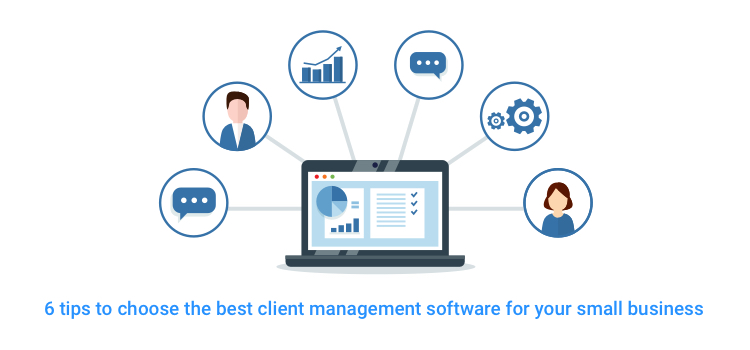
An NGO Management System is a software solution designed to support the administration and operations of non-governmental organizations, nonprofit foundations, charities, community-based organizations and development initiatives.
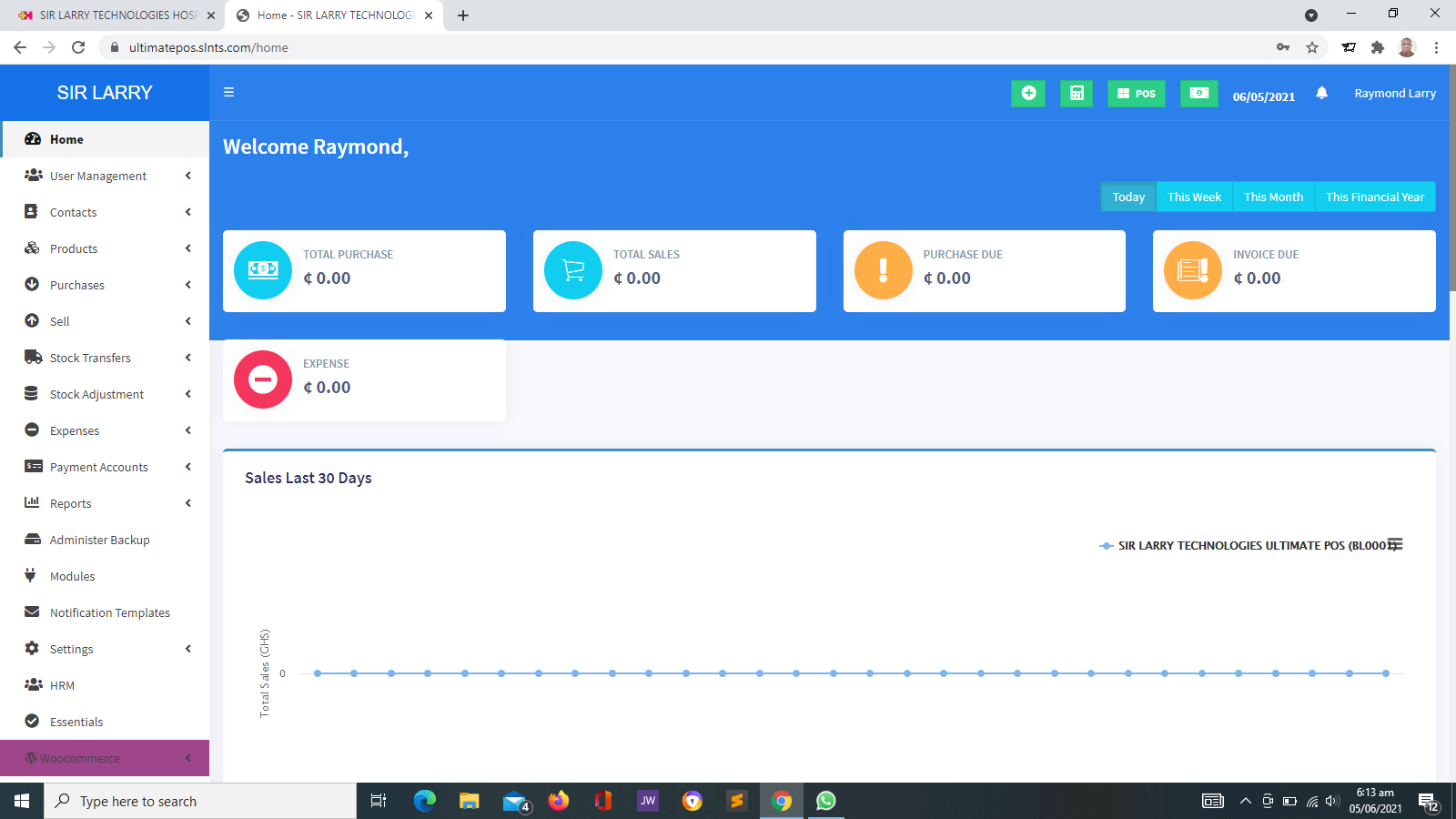
Depending on its design, the system may help an organization manage members, beneficiaries, projects, donations, volunteers, staff, activities, documents, budgets and reports from a centralized platform.
Rather than relying entirely on separate spreadsheets, paper files and disconnected records, an organization can use suitable digital tools to organize information, coordinate work and monitor progress.
2. Why Do NGOs Need a Management System?
NGOs often coordinate several activities at the same time. These may include community outreach, educational support, training programmes, fundraising, volunteer coordination, beneficiary assistance and project reporting.
As an organization grows, managing these activities manually can become difficult. Records may be scattered across different files, updates may be delayed and preparing reports may require considerable time.
A suitable management system can help bring these processes together, improve access to reliable information and make organizational work easier to coordinate.
3. Common Features of an NGO Management System
The exact features depend on the software selected and the organization's needs. Common modules may include the following:
Organization & Membership Management
Maintain records of members, corporate members, partners and other organizational stakeholders. Where supported, records can include membership categories, registration details, status and renewal information.
Beneficiary Management
Organize information about people and communities served by the organization. Authorized staff can track registration, eligibility, assistance provided and follow-up activities where appropriate.
Project Management
Record projects, objectives, activities, timelines, responsible team members and implementation progress. This helps teams monitor work and identify activities that require attention.
Donations & Fundraising
Record donations, sponsorships, fundraising activities and donor information. Online donation facilities may be available when supported and properly integrated with a payment provider.
Volunteer Management
Maintain volunteer records, assign responsibilities, coordinate participation and track service activities. This can help organizations organize their human resources more effectively.
Programmes & Training
Manage training sessions, workshops, participant registration, attendance and programme activities. Where required, the system can also support the recording of completion and evaluation information.
Reports & Dashboards
Generate reports from recorded information to help managers review project activities, beneficiary support, membership, fundraising and other organizational indicators.
Document Management
Organize important documents such as project plans, policies, meeting records, activity reports and organizational files, subject to the system's storage and access-control capabilities.
Events & Activities
Coordinate meetings, community events, outreach activities and project schedules. Depending on the system, teams may also record attendance and participation.
Communication Management
Support communication with members, volunteers, beneficiaries and partners. Email and SMS notifications may be available, often requiring external service configuration and usage credits.
Staff & Access Control
Assign user roles and permissions so that staff members can access the information and functions relevant to their responsibilities.
Website Integration
A connected website can provide information about the organization, its programmes, projects, membership opportunities and ways to contribute. Some systems can also support online registration and donation workflows.
4. Benefits of an NGO Management System
When properly selected and implemented, an NGO Management System can provide several practical benefits.
- Improved organization: Keep relevant records and operational information in a more structured digital environment.
- Better project monitoring: Track planned activities, responsibilities and progress using available project management tools.
- More efficient administration: Reduce repetitive data entry and the effort required to locate records or compile routine reports.
- Clearer accountability: Maintain records of donations, assistance, project activities and other transactions to support internal review.
- Improved coordination: Help staff, volunteers and programme teams work from consistent information.
- Informed decision-making: Use available reports and dashboards to understand organizational activities and identify areas needing attention.
- More consistent record keeping: Establish standard processes for capturing and updating information.
- Greater operational visibility: Help authorized managers review activities across programmes and projects.
5. Managing Projects and Measuring Impact
Project implementation is central to many NGOs. A management system can help teams document what they plan to do, what has been completed and what remains outstanding.
Depending on the available modules, an organization may record:
- Project objectives, locations and implementation periods.
- Planned activities, responsible personnel and deadlines.
- Beneficiaries reached and services delivered.
- Training sessions, attendance and participant feedback.
- Resources allocated to activities and project budgets.
- Progress indicators, outputs and supporting evidence.
- Challenges encountered and follow-up actions.
These records can support monitoring and evaluation by making project information easier to review. However, meaningful impact measurement still requires appropriate indicators, reliable data collection and careful analysis.
6. Donations, Sponsorships and Financial Records
Donations and sponsorships are important sources of support for many nonprofit organizations. A suitable system can help record contributions and connect them to relevant fundraising activities or projects.
Depending on its capabilities, the system may support donor records, donation acknowledgements, fundraising summaries, sponsorship tracking and reports on contributions received.
Organizations should also maintain appropriate financial controls, supporting documents and approval procedures. Donation records alone do not replace a complete accounting system or professional financial oversight.
7. Membership and Beneficiary Management
Membership and beneficiary records serve different purposes and should be managed according to the organization's operating model.
Membership management may involve registration, membership categories, contact details, renewal dates and participation records. Beneficiary management focuses on people or communities receiving services, assistance or other forms of support.
An organization should collect only the information it genuinely needs, establish clear eligibility and verification procedures where relevant, and restrict sensitive records to authorized personnel.
8. NGO Management System and Organizational Website
An NGO's public website and internal management system can complement each other, although they serve different purposes.
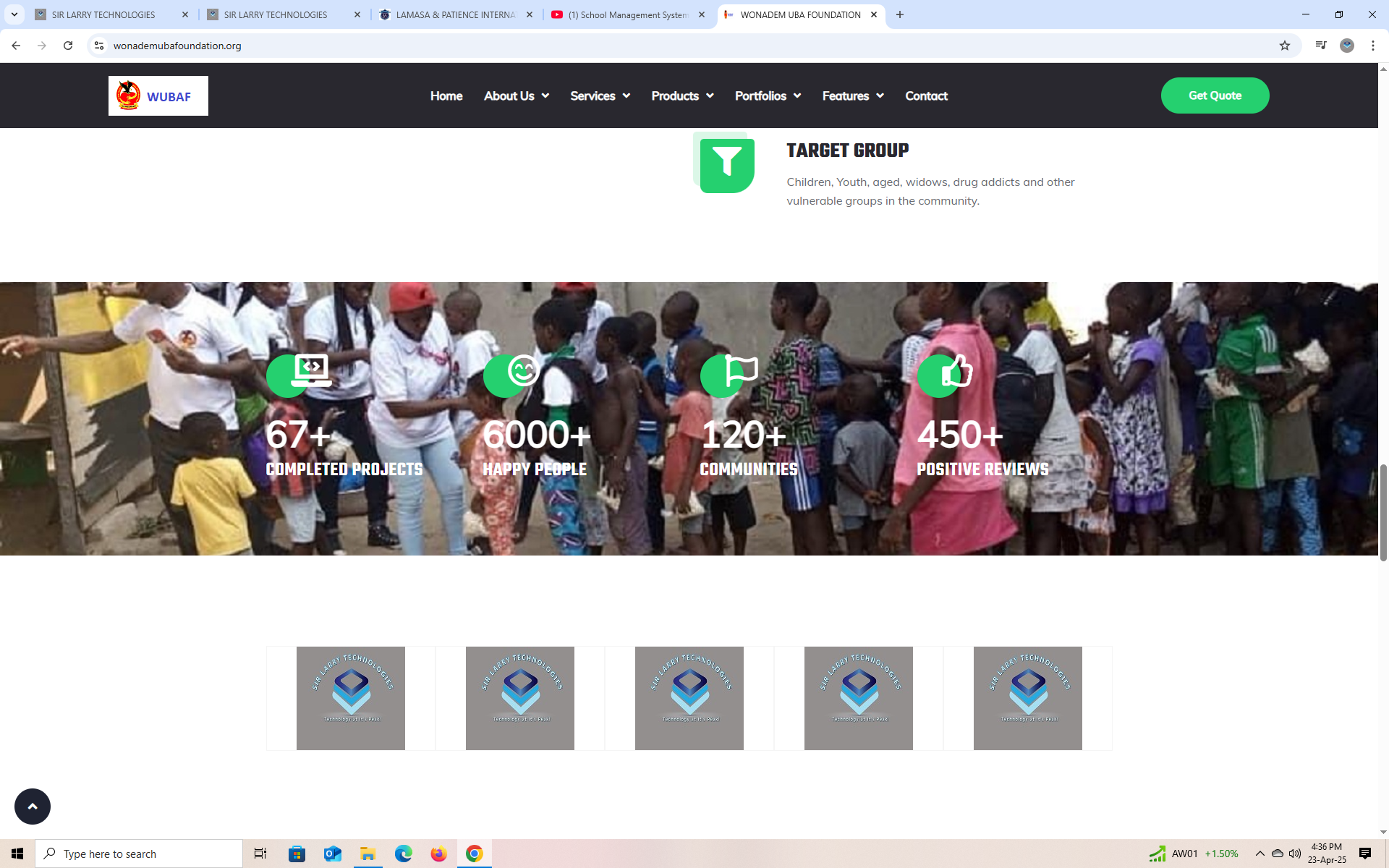
A website communicates the organization's mission, activities, programmes, projects, achievements and contact information to the public. A management system supports internal administration and operational record keeping.
Where suitable integrations are available, the website may connect to online membership applications, event registrations, donation forms or other workflows. These connections should be designed carefully to protect private organizational data.
9. Data Protection and Information Security
NGOs may handle personal information about children, students, vulnerable people, volunteers, donors, staff and partner organizations. Protecting these records is an important responsibility.
When evaluating a system, consider the security measures available and the procedures required to use it responsibly.
- Individual user accounts and appropriate access permissions.
- Secure connections and suitable protection for stored data.
- Regular backups and a practical recovery procedure.
- Reliable processes for updating and removing user access.
- Clear rules for collecting, sharing and retaining personal information.
- Appropriate audit records and monitoring, where supported.
- Compliance with applicable data protection requirements.
Important: Technology Must Support Responsible Governance
Installing software does not automatically guarantee transparency, accountability, security or legal compliance. Organizations must establish appropriate policies, train their teams, verify records and review how information is accessed and used.
10. How to Choose the Right NGO Management System
Not every NGO needs the same software. A small community organization may require basic membership and project records, while a larger foundation may need several connected modules.
Before selecting a system, consider the following:
- Organizational needs: Identify the administrative problems the software should solve.
- Required features: Separate essential functions from features that may be added later.
- Ease of use: Ensure the interface is suitable for the people who will use it.
- Cost: Review development or licence fees, hosting, maintenance, training and any recurring charges.
- Reporting requirements: Check whether the system can produce the reports the organization needs.
- Security and privacy: Assess access controls, backups, data handling and recovery arrangements.
- Integration: Confirm whether required websites, payment services, email or SMS providers can be connected.
- Support and maintenance: Understand who will resolve technical problems and maintain the system.
- Future growth: Consider whether the solution can accommodate additional projects, users and organizational requirements.
11. Implementing an NGO Management System Successfully
Successful implementation involves more than installing software. The organization should first understand its workflows and decide how the system will be used.
- Step 1 — Assess current processes: Identify existing challenges in project coordination, record keeping, reporting and communication.
- Step 2 — Define requirements: Agree on the modules, reports, users and workflows the organization needs.
- Step 3 — Prepare existing records: Review and clean available data before migration.
- Step 4 — Configure the system: Set up appropriate user roles, workflows and required organizational information.
- Step 5 — Train users: Help staff and relevant volunteers understand their responsibilities and how to use the platform.
- Step 6 — Test before full deployment: Verify important functions, reports, permissions and data accuracy.
- Step 7 — Monitor and improve: Gather feedback, correct problems and review the system as organizational needs change.
12. Digital Management Solutions from Sir Larry Technologies
Sir Larry Technologies provides technology solutions for businesses and organizations, including website development and software systems designed to support administrative and operational needs.
NGOs and foundations looking to improve their digital operations can assess their current processes and identify opportunities to organize records, coordinate activities, improve reporting and strengthen communication through suitable technology.
The right solution depends on the organization's size, workflows, budget, reporting obligations and security requirements. Requirements should be discussed and agreed upon before a system is selected or developed.
Build a More Organized Digital Operation
Explore how suitable technology can support your organization's administration, projects and service delivery. Visit Sir Larry Technologies to learn more about available technology solutions.
13. Conclusion
An NGO Management System can help nonprofit organizations organize information, coordinate projects, maintain beneficiary and membership records, monitor activities and prepare useful reports.
The most suitable system is one that addresses the organization's actual needs, protects sensitive information and can be maintained within its available resources. Combined with clear procedures and responsible governance, digital tools can help an organization work more efficiently and account for its activities more effectively.