






How Sir Larry Technologies Helps Businesses Embrace Digital Transformation
Discover how websites, business management software, POS and inventory systems, and digital integrations can help organizations improve operations, manage information and adapt to a changing business environment.
Digital transformation is about using technology to improve how a business operates, serves customers and manages information. It is not simply about having a website or purchasing software. It involves identifying business challenges, choosing appropriate digital tools and introducing better ways of working.
Sir Larry Technologies provides technology services that can help businesses and organizations explore practical digital solutions. These may include website development, POS and inventory systems, business management software, and integrations for online payments and communication, depending on the client's requirements.
1. What Is Digital Transformation?
Digital transformation is the process of adopting and using digital technology to improve business operations, services, communication and decision-making.
For one business, it may mean replacing handwritten sales records with a POS system. For another, it may involve creating a professional website, organizing customer information in a management system or connecting online payments to an existing platform.
The objective is to make business processes more organized, accessible and effective while ensuring that the chosen technology meets real operational needs.
From Manual Records to Digital Records
Move appropriate records into structured systems that make information easier to retrieve, review and manage.
From Manual Sales Tracking to POS
Use a suitable point-of-sale system to record transactions and support inventory monitoring where the required functions are available.
From Limited Visibility to an Online Presence
Give customers a convenient way to learn about a business, explore its services and find contact information through a website.
From Scattered Information to Organized Reporting
Use appropriate management software to consolidate records and provide reports that support business decisions.
2. Helping Businesses Establish a Professional Online Presence
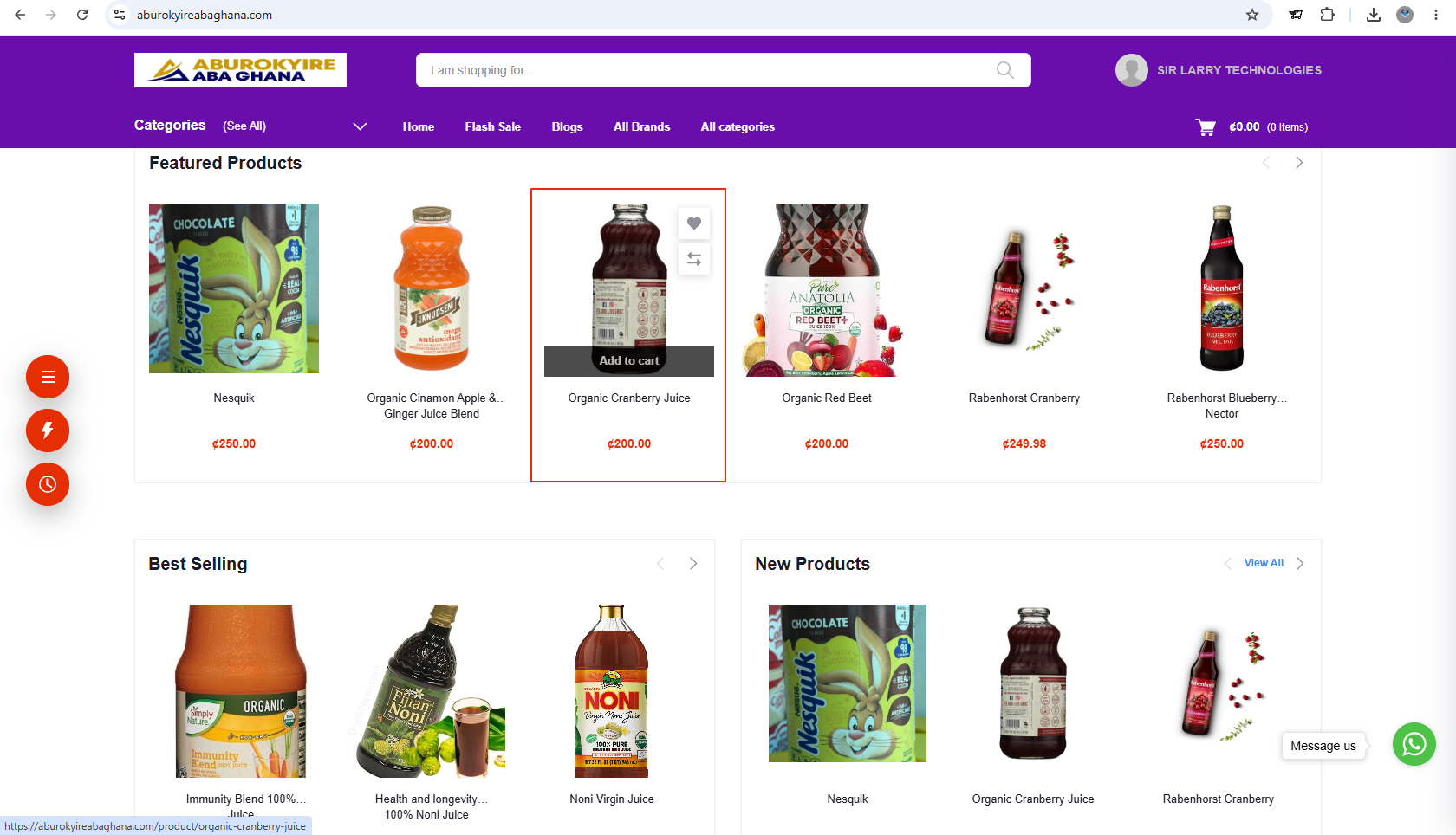
A professional online presence can help a business explain what it offers, communicate with customers and make important information easier to find.
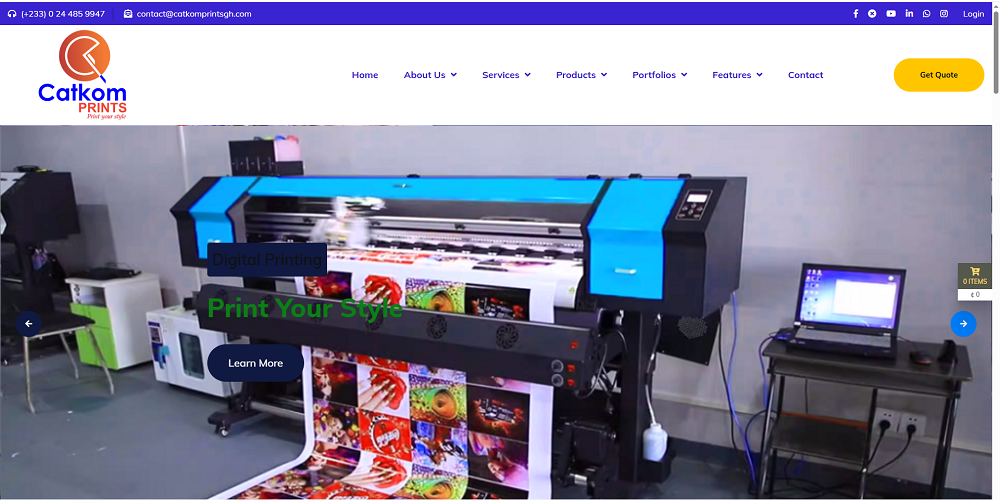
Sir Larry Technologies offers website development services for businesses and organizations that need an online platform suited to their objectives.
Depending on the agreed project scope, a website may be designed to support:
- Presentation of products, services and organizational information.
- Business contact details and enquiry forms.
- Service descriptions, frequently asked questions and announcements.
- Appointment or booking requests where required.
- Links to relevant social media platforms.
- Selected payment or communication integrations.
- Access to online resources and other business information.
3. Improving Sales and Stock Management with POS Systems
Businesses that sell products need reliable ways to record sales, maintain product information and monitor stock. When these activities rely entirely on manual records, tracking transactions and identifying discrepancies can become difficult.
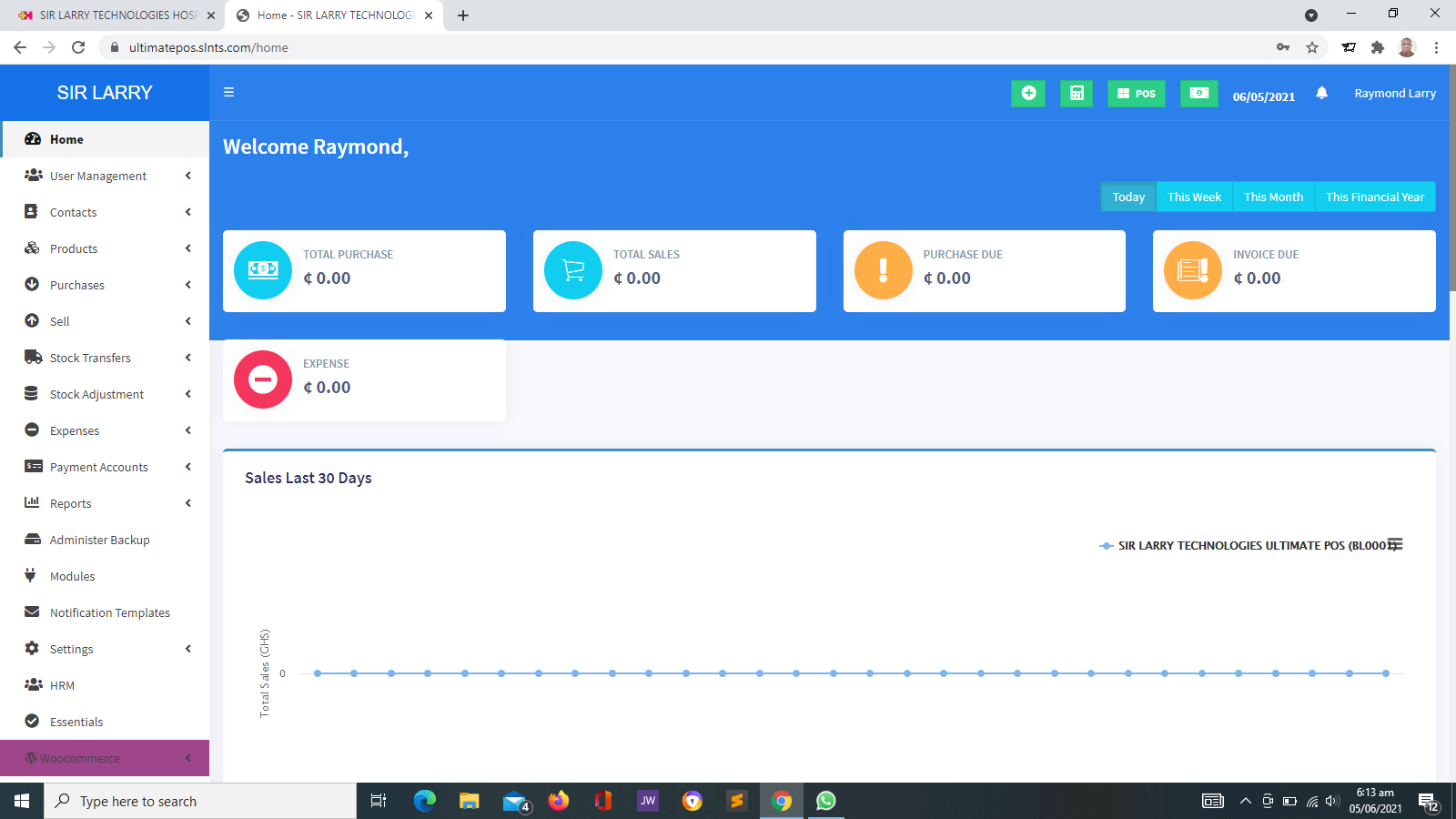
Sir Larry Technologies provides POS and inventory solutions for businesses that need digital support for sales and stock-related activities.
Depending on the system and its configuration, POS and inventory software can help with:
- Recording sales transactions.
- Maintaining product and pricing records.
- Monitoring stock movement.
- Producing sales summaries and transaction reports.
- Supporting stock checks and discrepancy investigations.
- Organizing business information for management review.
Such systems may be relevant to retail businesses, pharmacies, over-the-counter medicine sellers, supermarkets and other businesses that manage product sales.
Sir Larry Technologies' POS solution is already used by more than ten businesses, including businesses operating in these sectors.
How digital sales management helps
When transactions are recorded consistently, business owners can review sales activity more easily and use available reports to support operational decisions. Accurate product setup, staff training and regular stock verification remain essential.
4. Supporting Business Administration with Management Software
As an organization grows, it may need to manage more customers, employees, transactions, documents and activities. Separate spreadsheets and paper files can make it harder to keep information consistent.
Business management software can organize selected activities in one system or in connected applications. The appropriate system depends on the organization's workflows and requirements.
Accounts Management
Suitable systems can help businesses organize invoices, income, expenses, payments and financial summaries.
Customer Management
CRM systems can help organize customer records, enquiries, sales opportunities and follow-up activities.
Human Resource Management
HR software can support employee records and processes such as attendance, leave and recruitment where the required functions are available.
Project and Organizational Management
Project or organization-specific systems can help coordinate tasks, activities, responsibilities and reporting.
Before recommending or implementing a system, it is important to establish which functions are essential, what information must be managed and how employees will use the solution.
5. Connecting Digital Payments and Communication
Businesses increasingly need convenient ways to receive payments and communicate with customers. Integrating suitable services can connect a website or management system to external payment and messaging platforms.
Depending on the project, integration requirements may include:
- Mobile Money or supported online payment options.
- Payment gateway integration for compatible websites or applications.
- Email notifications for selected business activities.
- SMS notifications through a supported messaging provider.
- Payment confirmation and transaction-status handling.
- Appointment, registration or order notifications where supported.
Integrations must be selected, configured and tested according to the requirements of the business and the third-party provider.
6. Supporting Different Types of Organizations
Digital transformation is not limited to conventional retail businesses. Schools, NGOs, churches, service providers and other organizations may also benefit from systems designed around their administrative needs.
Retail and Trading Businesses
POS and inventory tools can help organize sales, product records and stock-related activities.
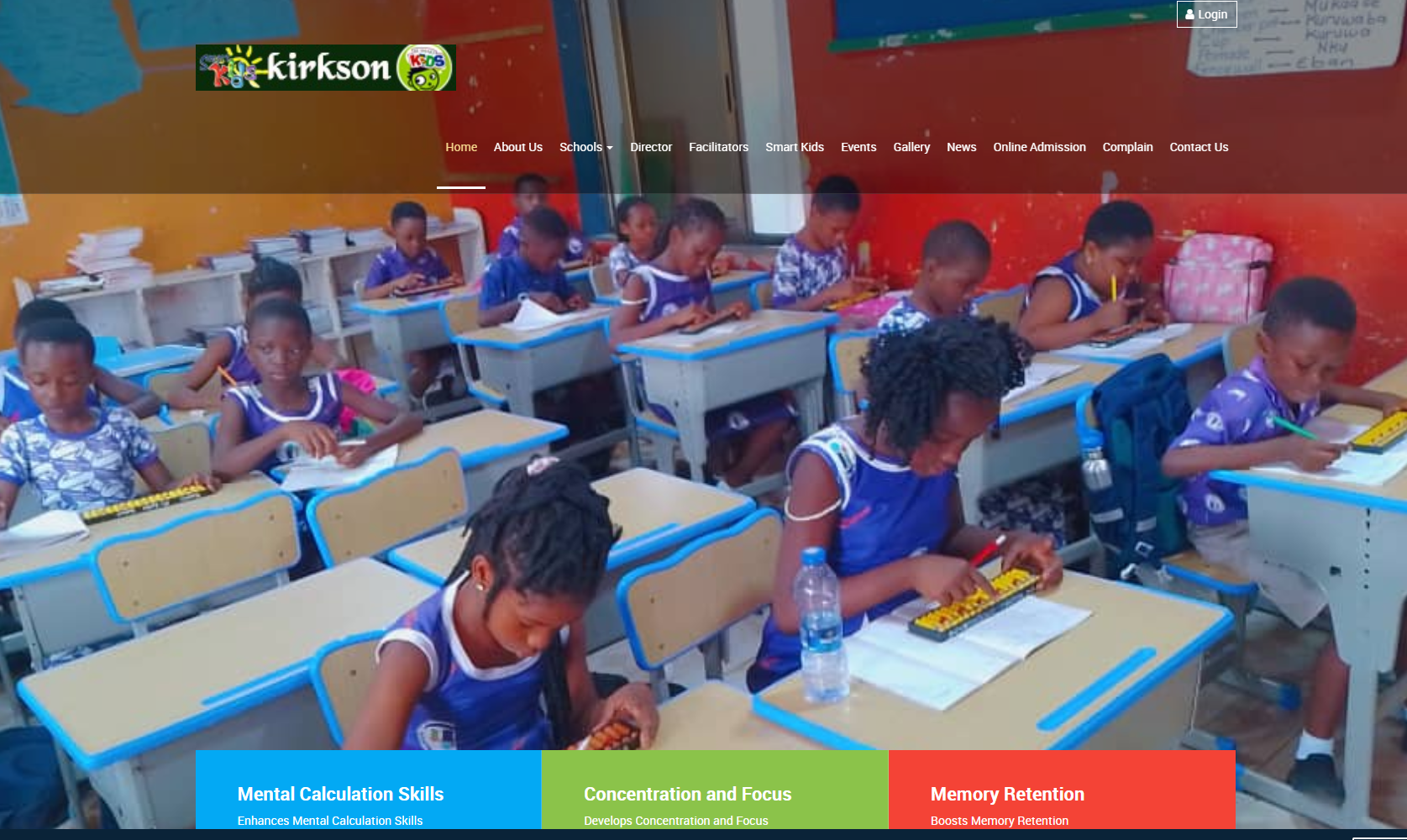
Schools and Training Institutions
Appropriate education management solutions can help organize selected academic and administrative processes.
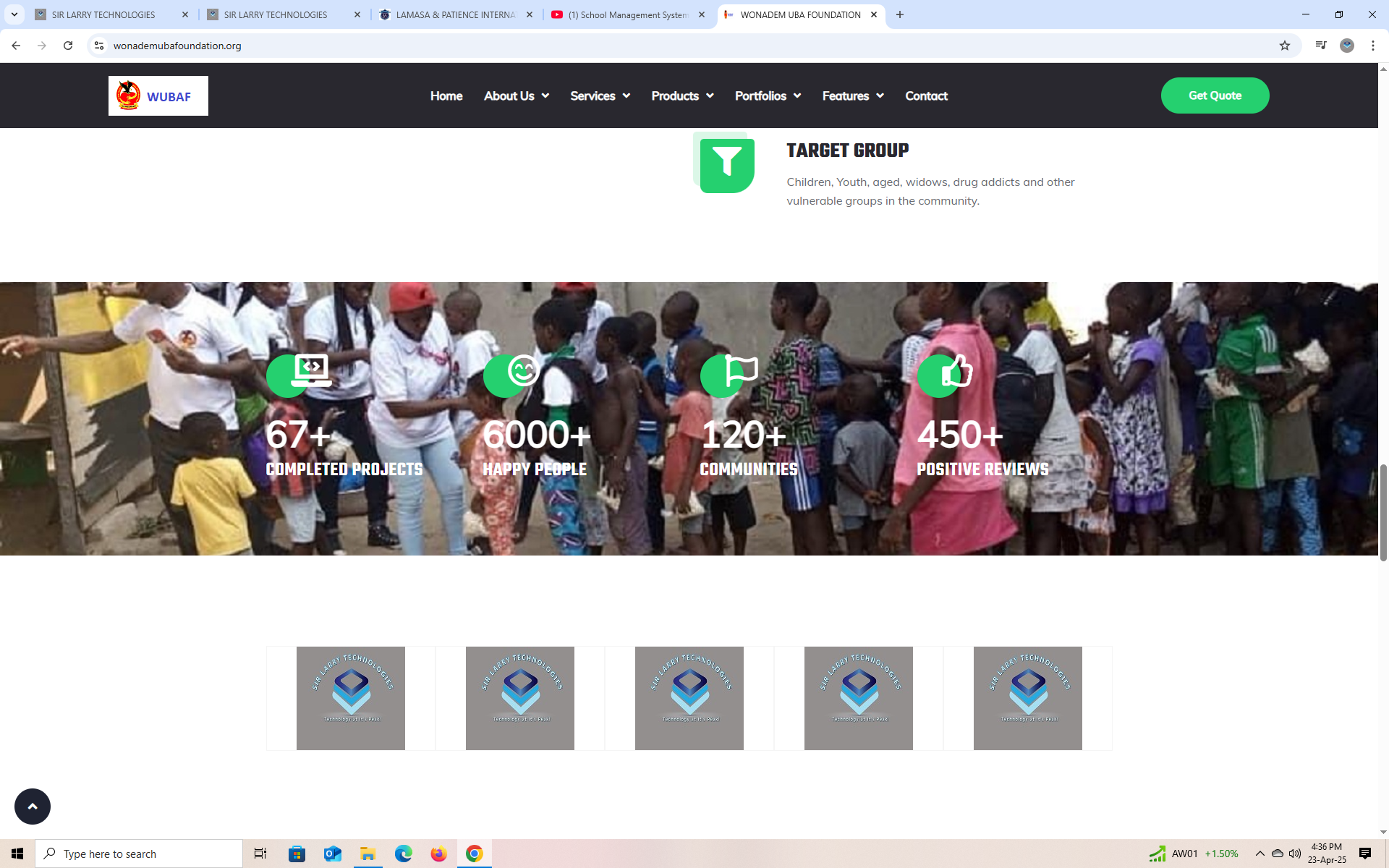
NGOs and Foundations
Suitable organizational systems can help manage records, programmes, projects and reporting requirements.
Churches and Ministries
Church management software can support membership records, activities, contributions and administration according to the system's available features.
Healthcare and Service Providers
Purpose-built systems may support appointments, client records, workflows and administrative reporting, subject to the provider's requirements and applicable safeguards.
Other Organizations
Organizations with specialized processes may require a tailored assessment to determine whether an existing system or additional development is appropriate.
7. Real-World Examples of Digital Transformation
The following examples illustrate how an organization might approach digital transformation. They are general scenarios, not guarantees of results or claims that every listed feature is included in every Sir Larry Technologies solution.
Example 1: A Retail Shop
A shop that records sales manually could adopt a POS and inventory system. Staff could record transactions digitally and use available reports to review sales activity. The business would still need accurate product records, stock checks and staff training.
Example 2: A Service Business
A service provider that receives enquiries through several channels could establish a professional website and adopt a suitable customer management process. This could make service information easier to access and help staff track enquiries and follow-ups.
Example 3: An NGO
An NGO managing activities through separate files could assess a suitable management system for its records and reporting workflows. Before implementation, it should define the information required, access permissions, reporting needs and data-protection arrangements.
Example 4: An Organization Accepting Online Payments
An organization that wants to accept digital payments could assess a compatible payment gateway or Mobile Money integration. The project should account for provider approval, transaction fees, confirmation procedures, refunds and reconciliation.
8. The Benefits of Working with a Technology Service Provider
Choosing software is only one part of a successful digital transformation project. Organizations also need to understand their requirements, plan the implementation and prepare staff to use the solution.
A technology service provider may help with activities such as:
- Discussing the organization's current challenges and objectives.
- Identifying relevant technical requirements.
- Recommending an appropriate solution within the agreed scope.
- Developing or configuring software as required.
- Setting up websites or compatible business systems.
- Configuring supported integrations.
- Providing user guidance or training where agreed.
- Explaining hosting, licensing, renewal and maintenance arrangements.
The exact services provided should be documented before work begins so that both parties understand the deliverables, responsibilities, costs and ongoing support arrangements.
9. A Practical Digital Transformation Process
Businesses can reduce unnecessary expense and confusion by approaching digital transformation in manageable stages.
- Identify the business problem.
Determine which processes need improvement, such as sales recording, customer follow-up, reporting or online visibility. - Define the expected outcome.
Establish what success should look like and how the business will measure it. - List the required features.
Identify essential functions, user roles, reports, integrations and data requirements. - Assess the budget.
Consider software costs, development, devices, hosting, training, support and third-party services. - Choose a suitable solution.
Compare available options based on fit, usability, reliability, security and ongoing costs. - Prepare the organization.
Review existing records, clarify responsibilities and plan how employees will adopt the new workflow. - Implement and test.
Confirm that important tasks work correctly before relying on the solution for routine operations. - Train users.
Ensure staff understand the correct procedures and how to report problems. - Monitor and improve.
Review usage, performance, support needs and costs after implementation.
10. Understanding the Costs of Digital Transformation
Digital transformation should be planned with a realistic understanding of both initial and recurring expenses.
Depending on the solution, costs may include:
- Website or software development.
- Software licences or subscriptions.
- Domain registration and renewal.
- Hosting or server infrastructure.
- Computers, printers and other required devices.
- Data migration, setup and training.
- Technical support and maintenance.
- SMS credits, email services and payment processing fees.
- Security and backup services.
Not every project requires all these items. The cost should be based on the actual requirements, selected technology and agreed service scope.
11. Security and Responsible Data Management
Digital transformation often involves moving business and customer information into electronic systems. Protecting that information should be part of the implementation plan from the beginning.
Businesses should consider:
- Strong passwords and multifactor authentication where available.
- Appropriate user roles and access permissions.
- Regular backups and tested recovery procedures.
- Software updates and secure system configuration.
- Safe handling of confidential and personal information.
- Clear procedures for responding to security incidents.
- Data access and export arrangements if the business changes providers.
Organizations in Ghana should also assess their responsibilities under applicable data protection requirements. The appropriate safeguards will depend on the type of information, the system and how the organization operates.
12. How to Know Whether Digital Transformation Is Working
Businesses should evaluate the results of a digital project instead of assuming that installing software automatically improves performance.
Useful measures may include:
- Time saved: Are routine tasks taking less time?
- Record quality: Have missing, duplicated or inaccurate records decreased?
- Customer service: Are enquiries being handled more consistently?
- Operational visibility: Can managers access relevant information more easily?
- Staff adoption: Are employees using the new system correctly?
- System reliability: Are recurring failures and interruptions being monitored?
- Financial value: Do the benefits justify the total cost of implementation and operation?
Where possible, establish a baseline before implementation so that the business can compare its performance before and after the change.
13. Why Consider Sir Larry Technologies?
Sir Larry Technologies provides technology services for businesses and organizations that need websites, POS and inventory solutions, and business management software.
When considering a project, businesses should discuss their requirements, the processes they want to improve, the functions they need and their budget. This makes it easier to determine an appropriate scope of work and identify any additional infrastructure or third-party services required.
Digital transformation is not the same for every organization. A retailer may need a POS system, while another business may prioritize a website or a customer management solution. The right recommendation depends on the organization's actual needs.
14. Frequently Asked Questions
What is digital transformation in business?
Digital transformation is the use of digital technologies to improve business processes, services, communication and decision-making. It can involve a website, management software, automation or a combination of suitable tools.
How does Sir Larry Technologies help businesses?
Sir Larry Technologies provides services including website development, POS and inventory solutions, and business management software. The appropriate solution depends on the client's needs and the agreed project scope.
Is digital transformation only for large businesses?
No. Small businesses can start with a focused solution, such as a website or POS system, and expand their use of technology as their operations and requirements grow.
Does digital transformation require a large budget?
Not necessarily. Costs vary according to the solution, required features, devices, hosting, integrations and support. Businesses should prioritize essential needs and understand both initial and recurring costs.
Can existing business processes be moved into digital systems?
Often, yes. However, the current processes and records should first be reviewed to determine what can be transferred, what needs improvement and whether the selected system supports the required workflows.
Will digital systems eliminate all manual work?
No. Some tasks can be automated or simplified, but staff may still need to verify records, approve transactions, resolve exceptions and maintain the system.
What should I prepare before requesting a digital solution?
Prepare a description of your organization, current challenges, desired features, number of users, existing records, integration requirements and approximate budget. These details can help define the project more accurately.
Conclusion
Digital transformation can help businesses become more organized, improve access to information and serve customers more effectively. The most useful technology is not necessarily the most complex; it is the technology that solves a genuine business problem and can be maintained responsibly.
Through website development, POS and inventory solutions, business management software and selected digital integrations, Sir Larry Technologies helps businesses explore practical ways to improve their operations. Each solution should be based on the client's requirements, budget and agreed scope.
The first step is to identify what needs to improve, choose an appropriate digital solution and plan its implementation carefully.
Take the Next Step Towards Digital Transformation
Looking to establish a professional website, improve sales and stock management or explore business management software? Visit Sir Larry Technologies to learn more about our services and discuss your organization's requirements.
Visit Sir Larry Technologies