







The Benefits of Digital Transformation
Discover how digital tools, modern software, automation and connected systems can help businesses and organizations improve efficiency, manage information and deliver better services.
Digital transformation is about using technology to improve how an organization operates and delivers value. It involves more than creating a website or purchasing computers. It may include replacing manual processes, improving access to information, connecting business systems and changing how employees work with customers and colleagues.
When planned carefully, digital transformation can help organizations reduce unnecessary administrative work, improve recordkeeping, make more informed decisions and respond more effectively to changing needs.
1. What Is Digital Transformation?
Digital transformation is the process of using digital technologies to improve or redesign organizational processes, services, communication and decision-making.
For example, a business that records sales in notebooks may introduce a Point of Sale (POS) and inventory system. A school that stores student information in paper files may adopt a school management system. An NGO may use digital tools to coordinate projects, maintain beneficiary records and prepare reports.
The aim is not simply to convert paper into electronic files. It is to use technology to make important activities more organized, accessible, consistent and measurable.
Remember: Digital transformation is a process, not a one-time purchase. Its success depends on the suitability of the technology, the quality of implementation, staff adoption and ongoing improvement.
2. Improved Operational Efficiency
One of the main benefits of digital transformation is the ability to streamline repetitive activities and reduce avoidable administrative work.
- Record transactions electronically instead of repeatedly writing them in registers.
- Search digital records instead of manually checking multiple files.
- Generate selected reports from recorded data.
- Use automated reminders for relevant deadlines, appointments or follow-ups.
- Reduce duplicate data entry where compatible systems share information.
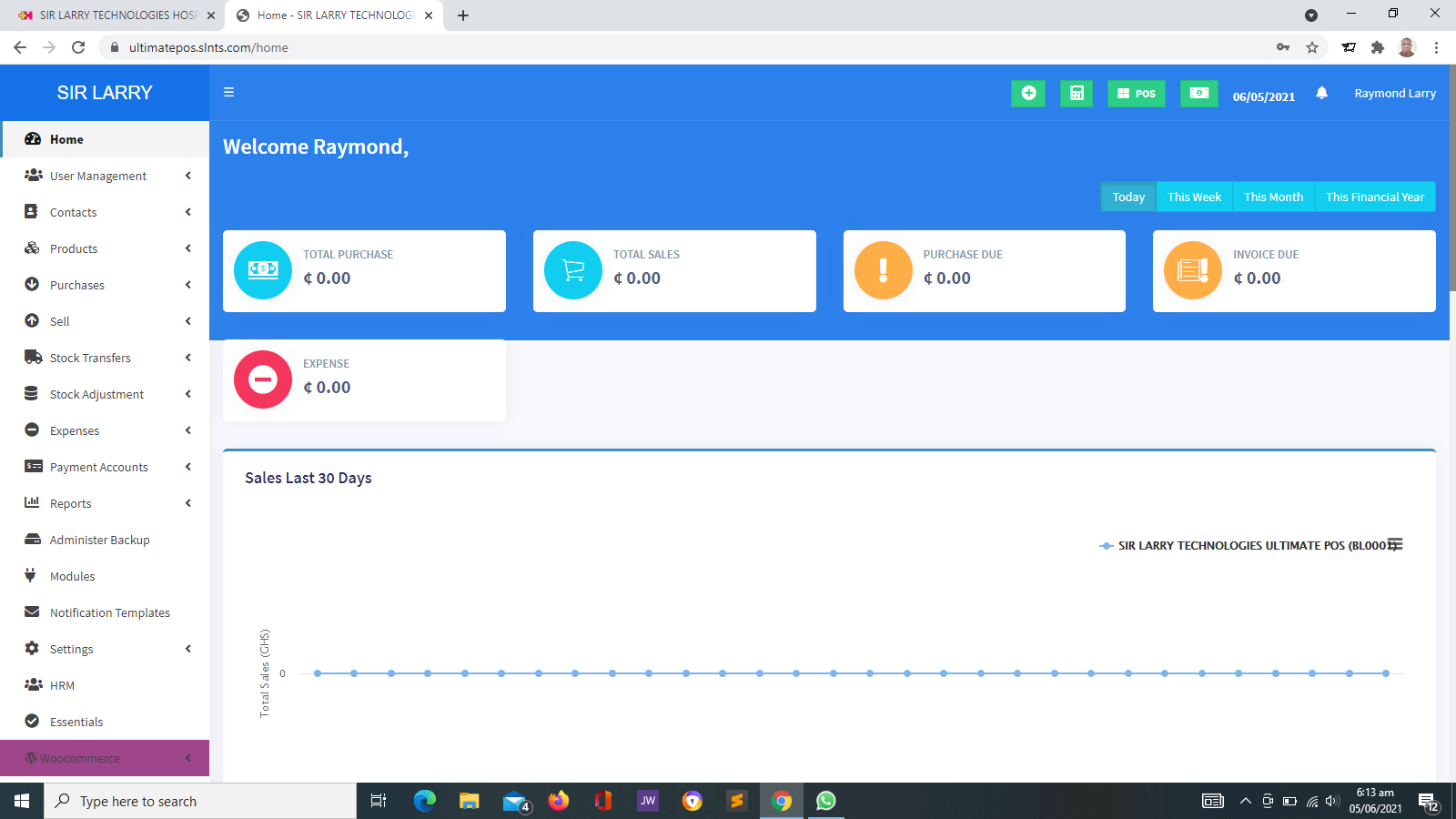
For example, a retail business using a suitable POS system can record sales electronically and review sales summaries without manually calculating every transaction at the end of the day.
3. Better Data Accuracy and Recordkeeping
Paper records, disconnected spreadsheets and inconsistent procedures can make information difficult to maintain. Digital systems can introduce standardized fields, validation rules and structured recordkeeping practices.
🗂️ Organized Records
Information can be stored in a structured format, making records easier to search, update and retrieve.
✅ Consistent Data Entry
Required fields and validation rules can reduce some common omissions and data-entry errors.
🔎 Easier Review
Where appropriate logs and audit trails are available, organizations can review selected transactions or changes.
💾 Better Backup Options
Suitable backup arrangements can help organizations recover records after accidental loss or certain technical incidents.
Digital systems do not automatically guarantee accurate records. Users must enter information correctly, follow agreed procedures and review important data regularly.
4. Faster and More Informed Decision-Making
Managers need reliable information to assess performance, identify problems and decide what actions to take. Digital systems can make relevant information available through reports, summaries and dashboards.
Depending on the system, an organization may be able to review:
- Sales performance over selected periods.
- Stock levels and product movement.
- Income, expenses and outstanding payments.
- Customer enquiries and follow-up activities.
- Project progress, deadlines and resource use.
- Student attendance or examination performance.
These reports can help management identify patterns and investigate issues. Decisions should still take account of the quality of the data, operational context and professional judgment.
5. Improved Customer Service and Experience
Digital transformation can help organizations communicate more consistently and respond to customers more efficiently.
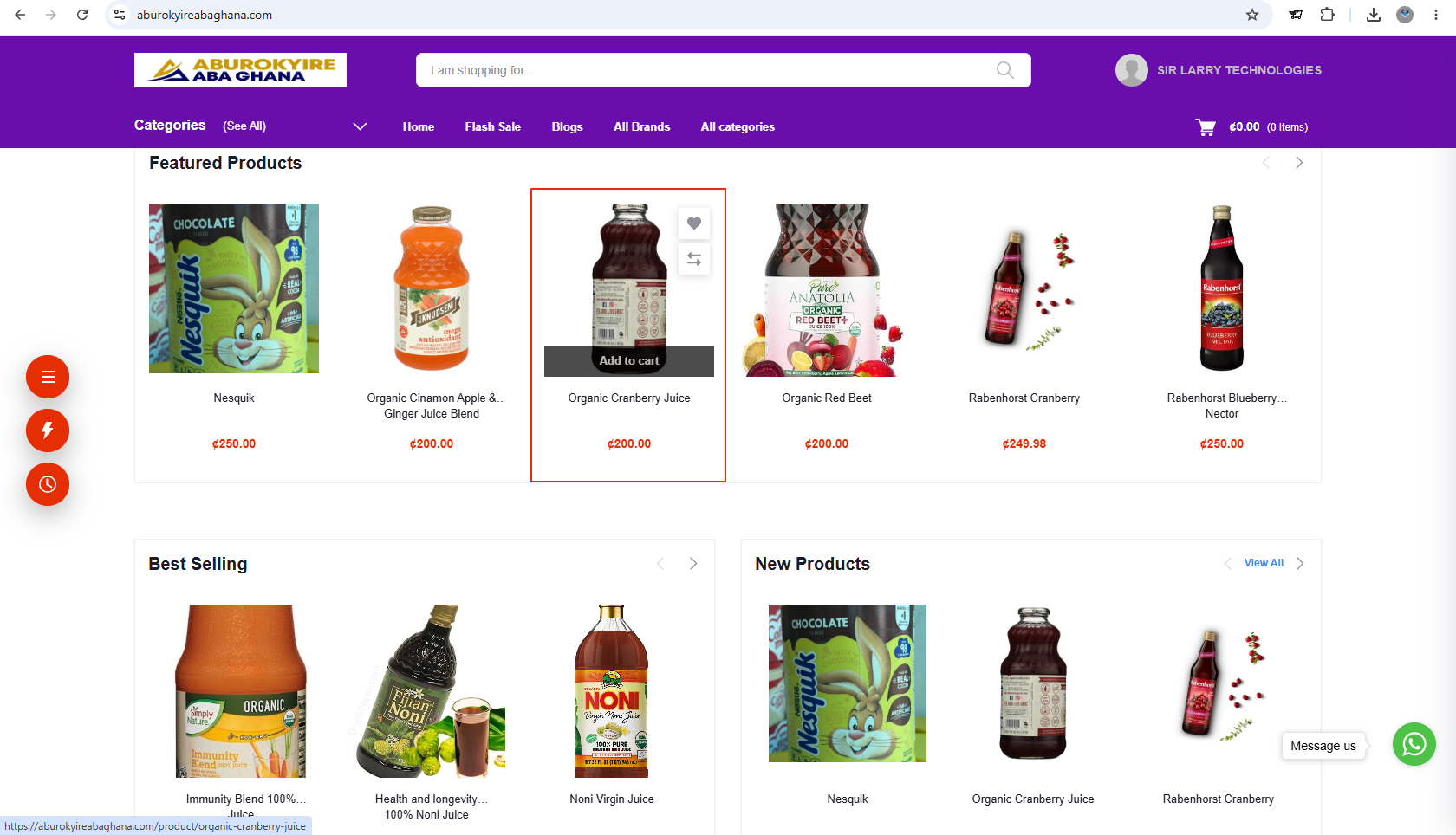
- Websites: provide information about services, opening hours, contact details and relevant online services.
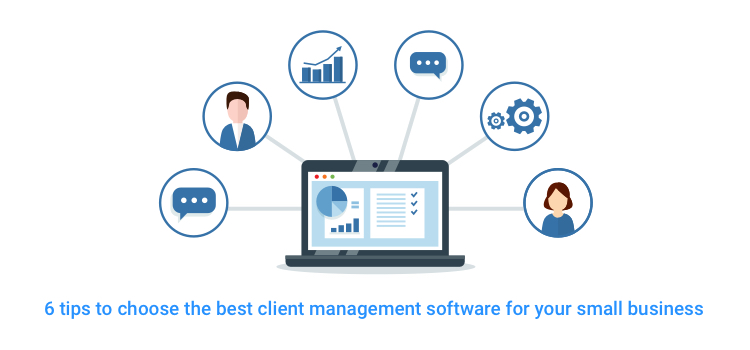
- Customer management systems: organize client records, enquiries, communication history and follow-up tasks.
- Online forms: allow customers or service users to submit requests without visiting an office first.
- Email and SMS integrations: can deliver confirmations, reminders and service updates when properly configured.
- Digital payments: can provide convenient payment options where supported by the business and payment provider.
The available features depend on the specific website or system. Organizations should clearly communicate which services are available and provide alternative assistance where customers cannot use digital channels.
6. Reduced Paperwork and Administrative Burden
Digital records can reduce dependence on printed forms, paper registers and physical filing cabinets. Electronic documents can be organized, searched and shared with authorized users more efficiently than many manual filing methods.
Possible benefits include:
- Less repeated printing and photocopying.
- Faster retrieval of documents and records.
- More consistent document templates.
- Improved coordination between authorized staff.
- More convenient preparation of selected reports and summaries.
Organizations should still retain paper documents where required by law, professional practice, contractual obligations or their records-retention policies. Electronic records also require appropriate storage, access controls and backup procedures.
7. Improved Communication and Collaboration
Modern digital tools can help employees, departments and external stakeholders exchange information and coordinate activities.
📧 Business Email
Supports formal communication, document sharing, service updates and organizational correspondence.
📅 Scheduling Tools
Help coordinate meetings, appointments, deadlines and other planned activities.
📋 Project Management Systems
Help teams organize tasks, assign responsibilities, track progress and monitor deadlines.
🔔 Digital Notifications
Can alert authorized users to relevant events, tasks or changes when supported by the system.
Good communication still requires clear responsibilities and appropriate information-sharing practices. Adding more communication tools without agreed procedures can create confusion rather than solve it.
8. Better Inventory and Resource Management
For organizations that manage products, equipment, supplies or other resources, suitable digital systems can improve visibility and recordkeeping.
- Record stock received, sold, issued or transferred.
- Review current recorded quantities.
- Identify products or supplies that may need replenishment.
- Monitor equipment assignments and selected asset records.
- Compare resource use against operational plans.
For example, a pharmacy or supermarket using a POS and inventory system can use recorded transactions to help monitor product movement. The reliability of stock information still depends on correct setup, accurate entries and regular stock checks.
9. Support for Business Growth and Scalability
As organizations grow, their manual processes may become increasingly difficult to manage. More customers, employees, transactions and locations can create additional administrative demands.
A well-selected digital system can help an organization manage increasing activity through structured records, defined workflows and reporting. Cloud-based services or modular software may also offer ways to expand capacity as needs change.
However, a system that works for a small organization may not be suitable indefinitely. Capacity, user limits, performance, support and integration needs should be reviewed as the organization grows.
10. Greater Flexibility and Remote Access
Some modern systems allow authorized users to access information through supported devices and internet connections. This can help managers and teams review records or perform selected tasks when they are away from the main office.
Remote access may be useful for organizations with field staff, multiple branches, mobile workers or teams operating from different locations.
Security reminder: Remote access should be implemented with appropriate authentication, access permissions, device protection and monitoring. Not every system supports offline use, and internet-dependent services may be unavailable during connectivity disruptions.
11. Opportunities for Automation and Artificial Intelligence
Digital transformation can prepare organizations to use automation and, where appropriate, Artificial Intelligence (AI) for selected tasks.
- Automating repetitive calculations and routine data processing.
- Sending configured reminders and notifications.
- Summarizing documents or assisting with content preparation.
- Analyzing data to identify patterns that require further investigation.
- Supporting customer enquiries through appropriately designed digital assistance tools.
These are possible applications, not features that every business system automatically includes. AI-generated results should be checked, particularly when they affect financial, medical, legal, employment or other important decisions.
12. Benefits for Different Types of Organizations
🏪 Businesses and Retailers
May improve sales recording, inventory management, invoicing, customer communication and business reporting.
🏫 Schools and Training Institutions
May improve student records, attendance tracking, assessment management, communication and administrative reporting.
🤝 NGOs and Nonprofits
May help organize project records, beneficiaries, memberships, volunteers, activities and reporting requirements.
🏥 Healthcare Providers
May support patient registration, appointments, laboratory workflows, reporting and administrative coordination, depending on the system.
⛪ Churches and Membership Organizations
May support membership records, events, attendance, contributions, communications and administration.
🏢 Professional Service Providers
May help manage enquiries, appointments, client records, invoices, service requests and follow-up activities.
13. Digital Transformation in Ghana
Organizations in Ghana can use digital tools to improve their services, reach customers and organize internal operations. The right starting point depends on the organization's sector, resources, staff capabilities and operating environment.
Practical opportunities may include:
- Using Mobile Money and supported payment gateways for electronic transactions.
- Developing websites that provide accurate service information and convenient contact options.
- Using POS and inventory systems to record sales and stock movements.
- Adopting management software to organize school, NGO, church or business records.
- Using email and appropriately configured SMS services for communication.
- Improving data security, backups and business continuity planning.
Organizations should consider internet reliability, electricity, device availability, staff training, recurring costs and data protection before implementing new solutions.
14. Challenges to Consider
Digital transformation can produce meaningful improvements, but it is not automatically successful. Common challenges include:
- Implementation costs: software, devices, hosting, training, integrations and support may require both initial and recurring payments.
- Resistance to change: staff may need time and practical support to adopt new workflows.
- Skills gaps: users need appropriate training to operate systems and interpret reports.
- Cybersecurity risks: digital records can be exposed through weak access controls, phishing or unpatched software.
- Data migration issues: old records may be incomplete, duplicated or inconsistent.
- Integration limitations: some applications cannot easily exchange information with existing systems.
- Unclear objectives: buying technology without identifying a genuine problem can waste resources.
15. How to Begin a Digital Transformation Journey
Organizations can make the process more manageable by adopting a planned, step-by-step approach.
Assess Current Processes
Identify how information is collected, stored, shared and used. Note delays, repeated work, missing records and other problems.
Set Clear Goals
Choose specific outcomes, such as reducing transaction errors, improving reporting speed or making records easier to retrieve.
Select Suitable Technology
Compare available solutions based on features, usability, security, compatibility, support and total cost.
Prepare Data and Procedures
Clean existing records where possible, establish clear responsibilities and decide how information will be entered, reviewed and protected.
Train Staff and Test the System
Give users practical training and test essential workflows before the system becomes fully operational.
Measure and Improve
Review performance indicators, gather feedback, resolve problems and adjust the system as organizational needs change.
16. How to Measure the Benefits
Organizations should evaluate digital transformation against the goals they set before implementation. Possible indicators include:
- Time required to complete important processes.
- Number of data-entry errors or incomplete records.
- Time needed to prepare routine reports.
- Accuracy of inventory or transaction records.
- Customer response and service completion times.
- Staff adoption and use of the new system.
- Frequency of avoidable service interruptions.
- Overall cost of performing the process before and after implementation.
Where possible, record baseline performance before the change and compare it with results after implementation. This helps the organization distinguish measurable improvements from assumptions.
17. How Sir Larry Technologies Can Help
Sir Larry Technologies helps businesses and organizations explore practical technology solutions for their operational needs. Depending on the project requirements, services may include:
🌐 Website Development
Websites that help organizations present their services, publish information and provide suitable online features.
🛒 POS and Inventory Systems
Solutions that help businesses record sales, manage stock and review relevant business information.
🏢 Management Information Systems
Software solutions for organizing records, supporting workflows and improving administrative coordination.
💳 Payment and Communication Integrations
Assessment and implementation of supported payment gateways, Mobile Money, SMS and email services where required. Third-party fees may apply.
Every organization has different needs. A discussion about existing processes, required features, budget and support expectations helps determine a suitable approach before implementation begins.
18. Frequently Asked Questions
Is digital transformation only about technology?
No. It also involves people, processes, responsibilities and organizational change. Technology is most useful when it supports a clearly identified need.
Can small businesses benefit from digital transformation?
Yes. Small businesses can begin with practical tools such as POS systems, inventory management, business email, websites or digital accounts records. They can expand gradually as needs and resources change.
Does digital transformation always reduce costs?
No. A suitable solution may reduce some administrative costs or errors, but software, equipment, training, hosting, support and integrations can create new expenses. Benefits should be assessed against total costs.
How long does digital transformation take?
The timeline depends on the size of the organization, the number of processes involved, data preparation, system complexity, integrations and staff readiness. A focused project may be completed more quickly than a broad organization-wide transformation.
Is it necessary to digitize every process at once?
No. Many organizations benefit from starting with one or two high-priority processes, learning from the implementation and expanding in stages.
How can digital records be protected?
Use appropriate permissions, strong passwords, multifactor authentication where available, regular updates, reliable backups and staff awareness training. Handle personal and confidential information according to applicable requirements.
Take the Next Step Towards Digital Transformation
Digital transformation begins with identifying a real need and choosing the right solution. Sir Larry Technologies can discuss your website, software and business technology requirements and help you assess practical options for your organization.
Visit Sir Larry Technologies